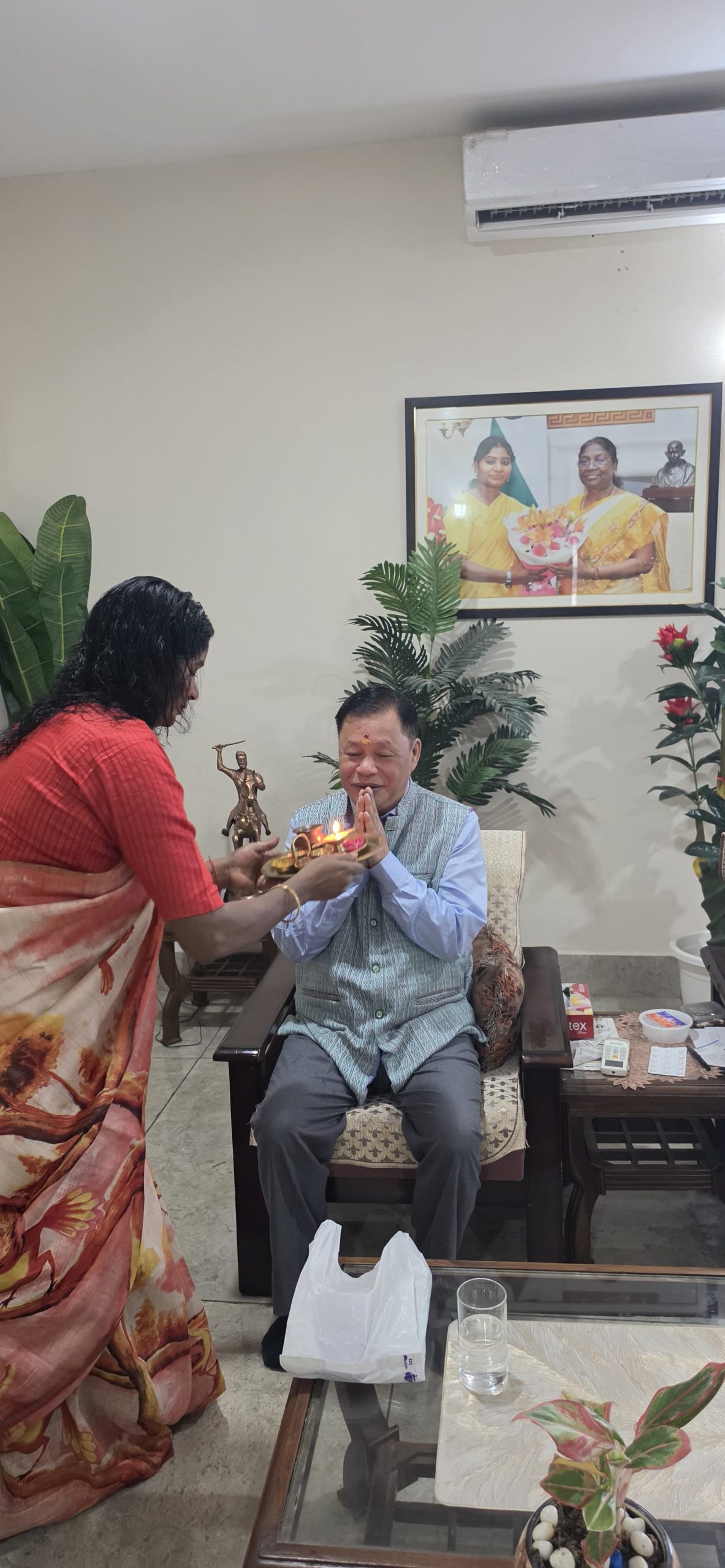
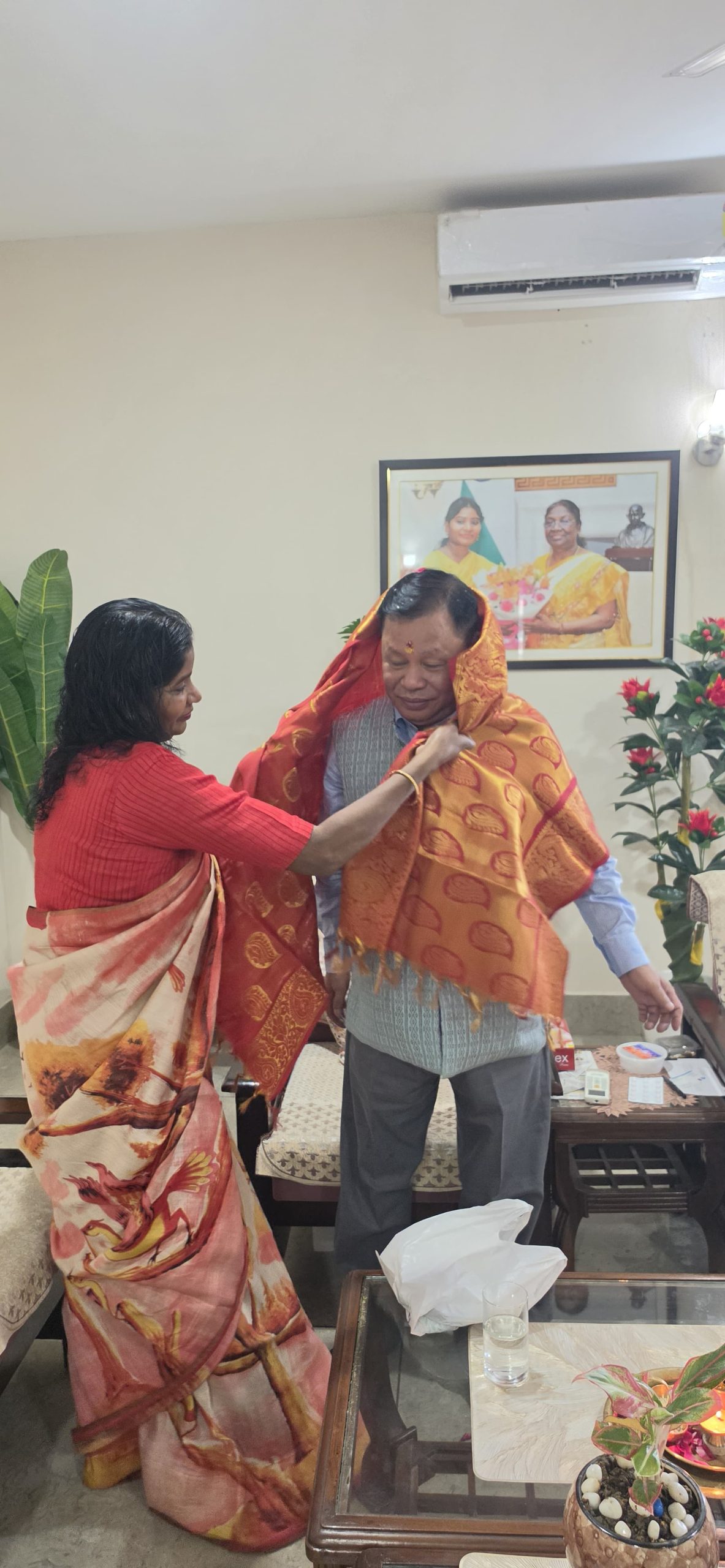
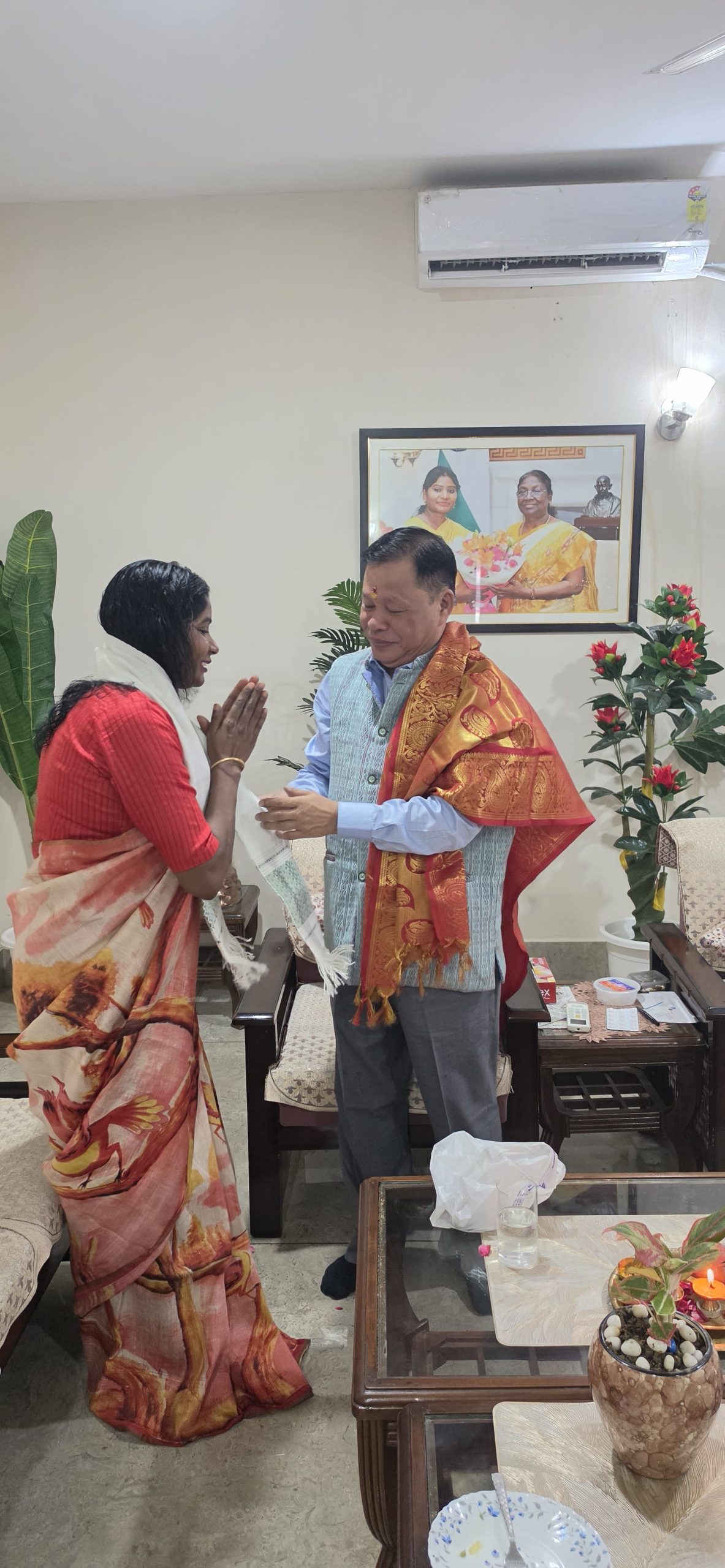
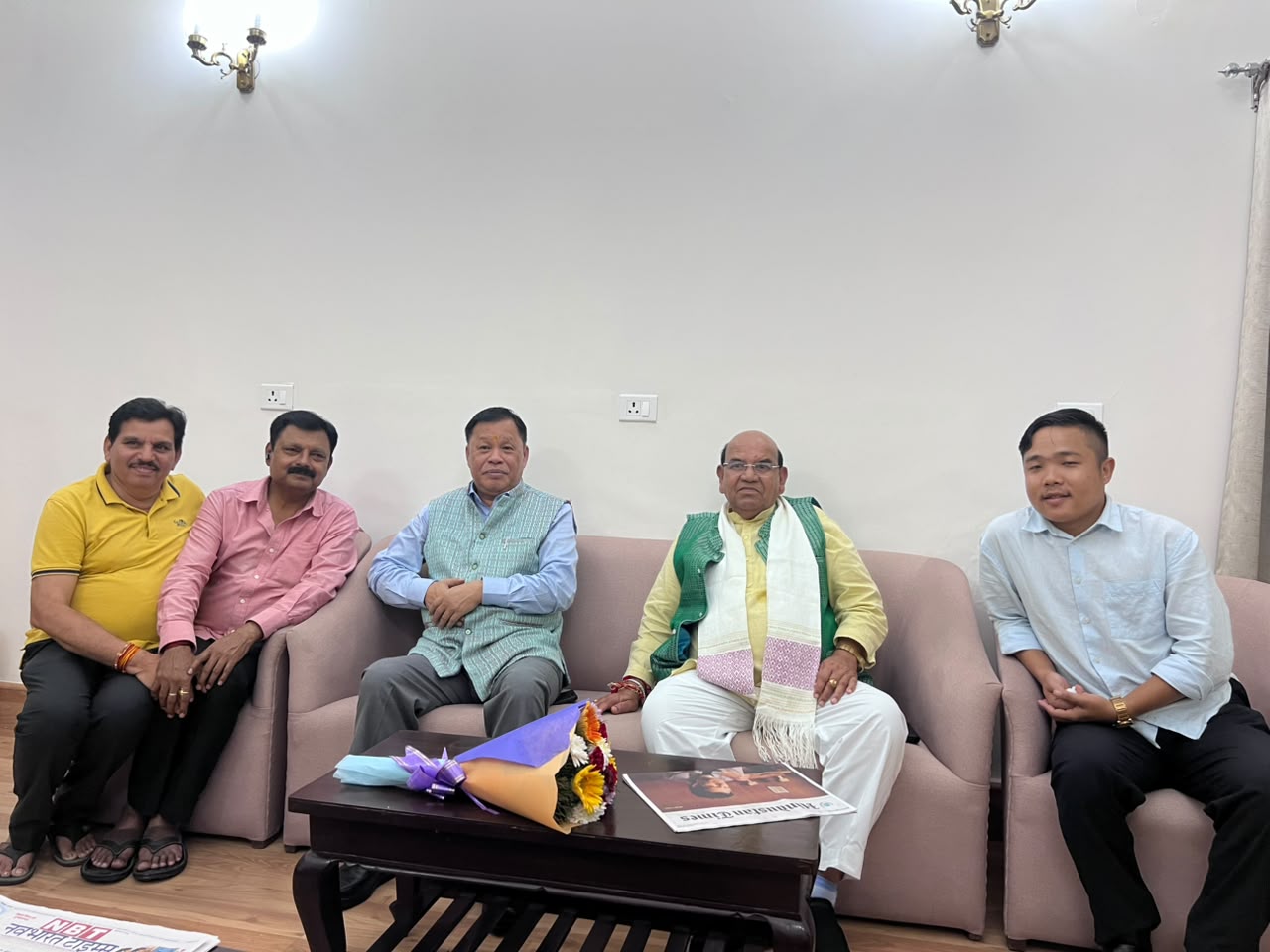
Kamalanagar, 17 October 2026: The Executive Committee of the Chakma Autonomous District Council (CADC), at its 29th meeting held on Thursday, 15 October 2026, approved the draft CADC (Transfer and Posting of Elementary School Teachers) Rules, 2026. The meeting was chaired by Chief Executive Member Dg. Nirupam Chakma at his office chamber. Dg. Kali Kumar Tongchangya, Chairman, CADC attended the meeting as a special invitee.
The Executive Committee considered the investigation report on the issue of illegal industrial activities carried out by M/s Kram Infracon Pvt. Ltd., and decided to issue a show-cause notice to NBCC Ltd., camped at Chhotaguisury-II, directing to stop all ongoing activities of M/s Kram Infracon Pvt. Ltd.
The inquiry report on felling of teak trees and destruction of the CADC teak plantation by Manoj Chakma was also considered. On this matter, the Executive Committee decided to cancel forthwith the unauthorised extension covering an area of 8,775 square metres after following due procedure. The area would be reserved for the Soil and Water Conservation Department, CADC, to be allotted later.
Under the Art and Culture Department, the Executive Committee approved the engagement of 66 Casual Cultural Artists (CCAs) in different categories, out of the proposed 92, by observing proper formalities.
The Executive committee also approved the clearance of outstanding advocate fees amounting to ₹5 lakh relating to five writ petitions: WP(C) No. 43/2025, WP(C) No. 129/2026, WP(C) No. 86/2026, WP(C) No. 109/2026 and WP(C) No. 128/2026. The committee also decided to engage a legal counsel to represent CADC.
Further, an allocation of Rs.2.50 lakh was approved for financial assistance to NGOs under the Social Welfare Department, CADC, and Rs. 2 lakh for the construction of wooden bridges along the Kamalanagar–Longpuighat Road under the Public Works Department (PWD), CADC.
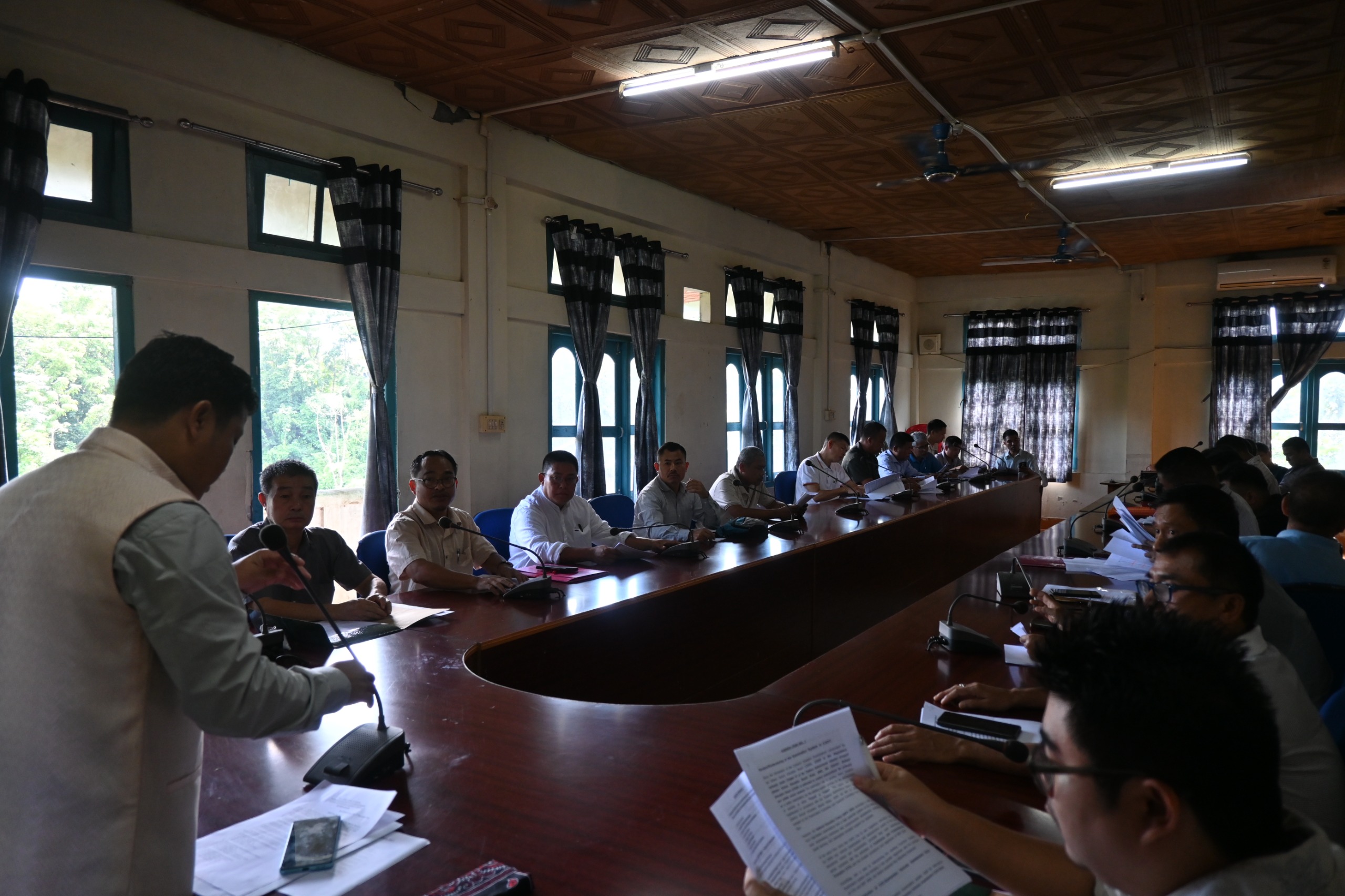
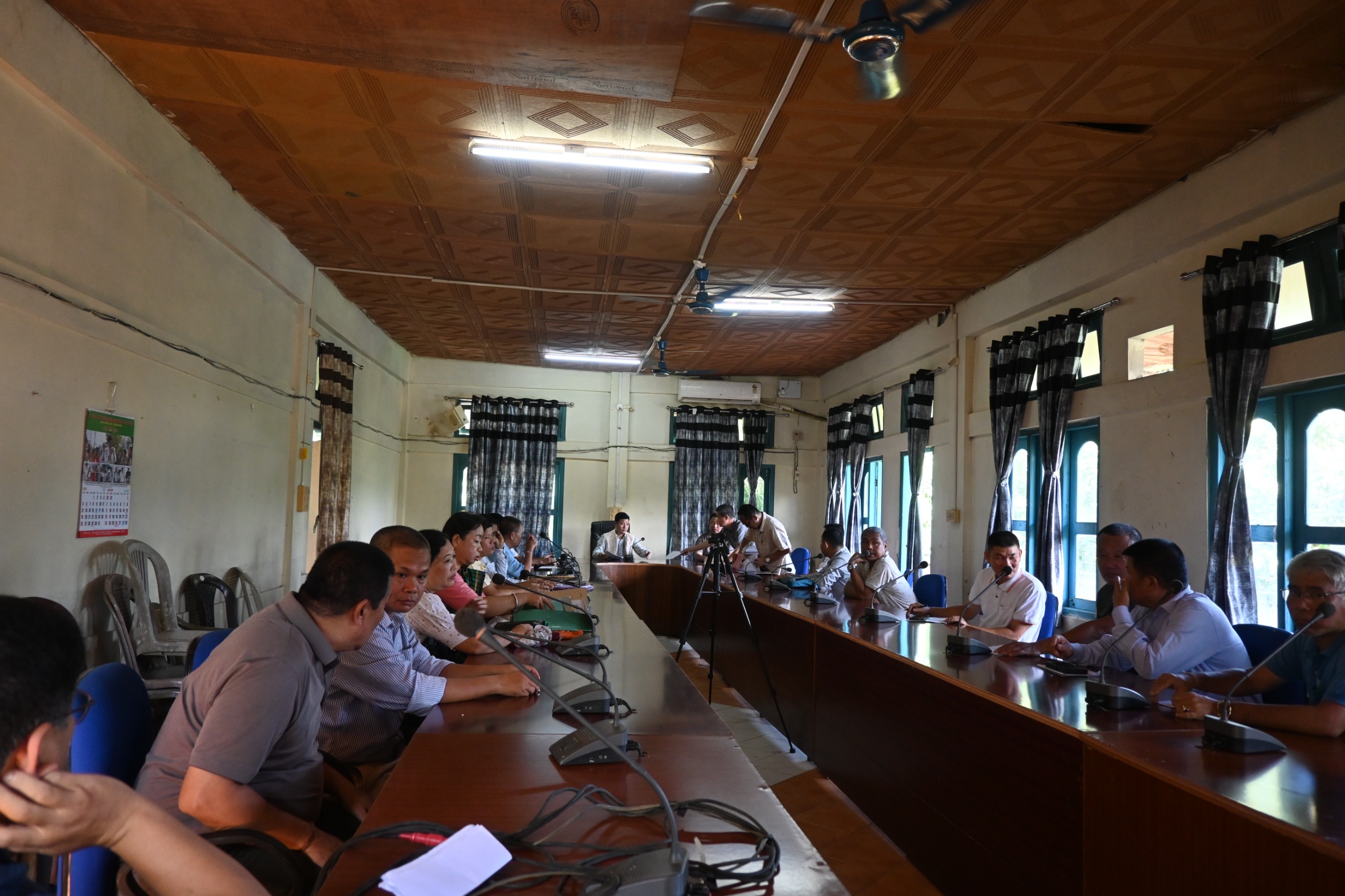
𝐊𝐀𝐌𝐀𝐋𝐀𝐍𝐀𝐆𝐀𝐑, 𝟐𝟖 𝐒𝐞𝐩𝐭𝐞𝐦𝐛𝐞𝐫, 𝟐𝟎𝟐𝟔: A meeting on educational administration in the Chakma Autonomous District Council (CADC) was held on Sunday, September 27, 2026, at the CADC Rest House Conference Hall, Kamalanagar, under the chairmanship of Dg. Doymoy Daveng Chakma, Hon’ble Executive Member in-charge of Education, CADC.
The meeting was attended by officials and staff of the Education Department, District School Education Board (DSEB), Adult Education Department and other concerned departments, along with representatives of the Chakma District Council Teachers’ Association, Mizoram Chakma Students’ Union and resource persons.
In his opening remarks, the Chairman outlined the purpose of the meeting and emphasised the need for clear, appropriate and practical rules and regulations to ensure effective, accountable and progressive administration. He stressed that educational reforms and administrative measures should be undertaken through consultation and collective deliberation to ensure their effective and sustainable implementation.
The meeting discussed various issues relating to school education, educational administration and proposed reforms in CADC. Several important resolutions were taken in this regard.
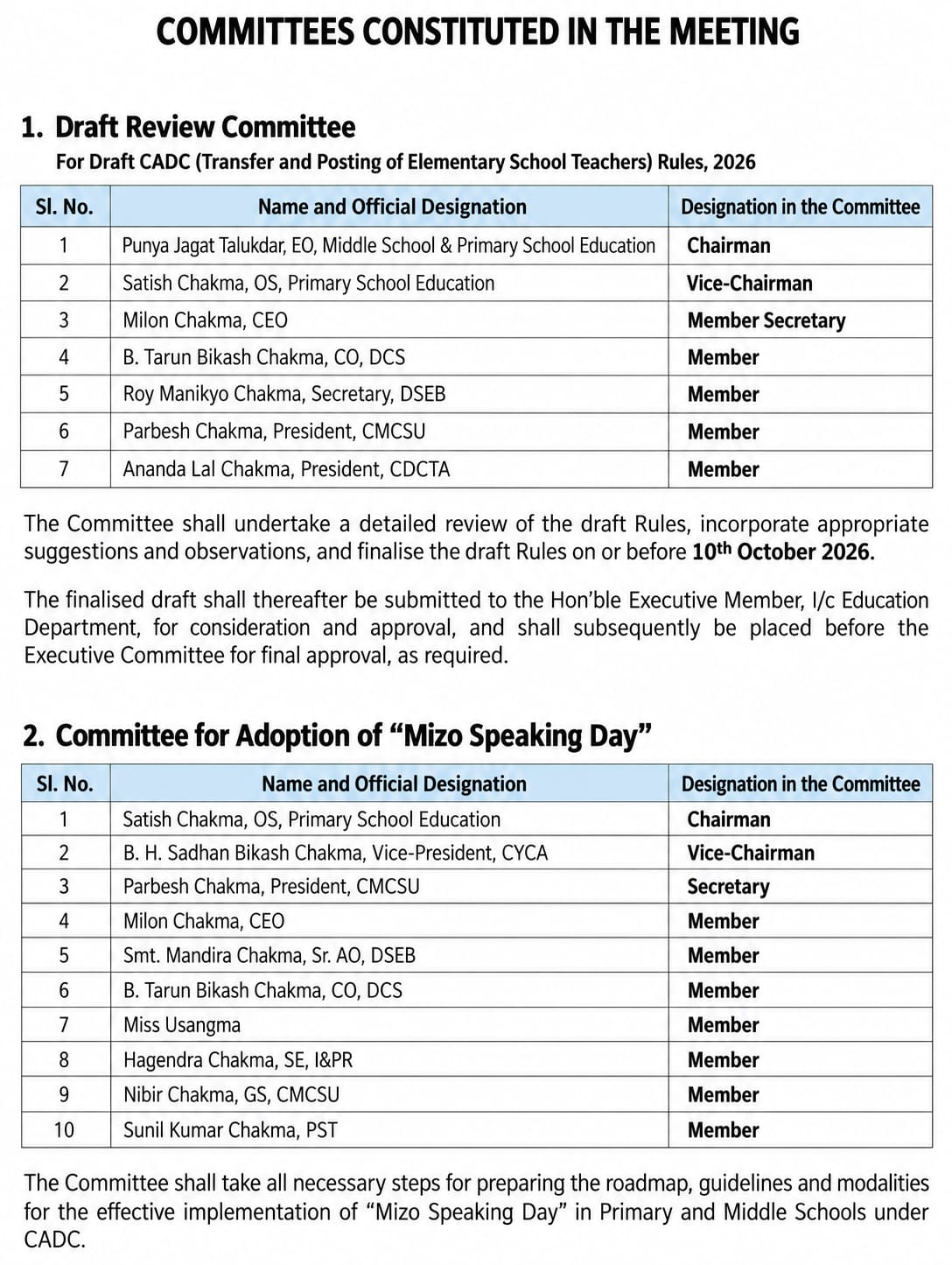
The draft Chakma Autonomous District Council (Transfer and Posting of Elementary School Teachers) Rules 2026 was unanimously approved in principle. A Draft Review Committee was constituted under the chairmanship of Dg. Punya Jagat Talukdar, Education Officer, Middle School Education, to undertake further scrutiny of the draft, incorporate suggestions and observations, and finalise it by October 10, 2026. The final draft will thereafter be placed before the Executive Committee for consideration and approval.
The meeting also resolved to adopt and implement the National Education Policy (NEP) in CADC from the academic session 2027–28, in alignment with the policy framework and guidelines of the Government of Mizoram. The DSEB and the concerned Education Departments will undertake the necessary preparatory measures and issue guidelines for its implementation.
On literacy, it was decided that a Literacy Drive/Programme in CADC should be undertaken in a systematic and coordinated manner. The implementation of the programme will be subject to the decision of the Executive Committee and the availability of necessary funds. The concerned authority has been directed to prepare an appropriate framework for further consideration.
The meeting further resolved to introduce 10 minutes of Anapana Meditation every Friday in all Primary and Middle Schools under CADC. The Education Department will prepare the necessary guidelines and modalities for implementing the initiative in schools.
Another decision taken at the meeting was to observe every Wednesday as “Mizo Speaking Day” in all Primary and Middle Schools under CADC, with a view to providing students with regular opportunities to learn and practise the Mizo language. A Committee for Adoption of Mizo Speaking Day has been constituted under the chairmanship of Dg. Satish Chakma, OS, Primary Education Department, to prepare the roadmap, guidelines and modalities for its implementation.
Concluding the meeting, the Chairman emphasised the importance of collective responsibility, consultation and coordinated efforts for the effective implementation of the decisions taken. He thanked all the participants for their contributions and cooperation.
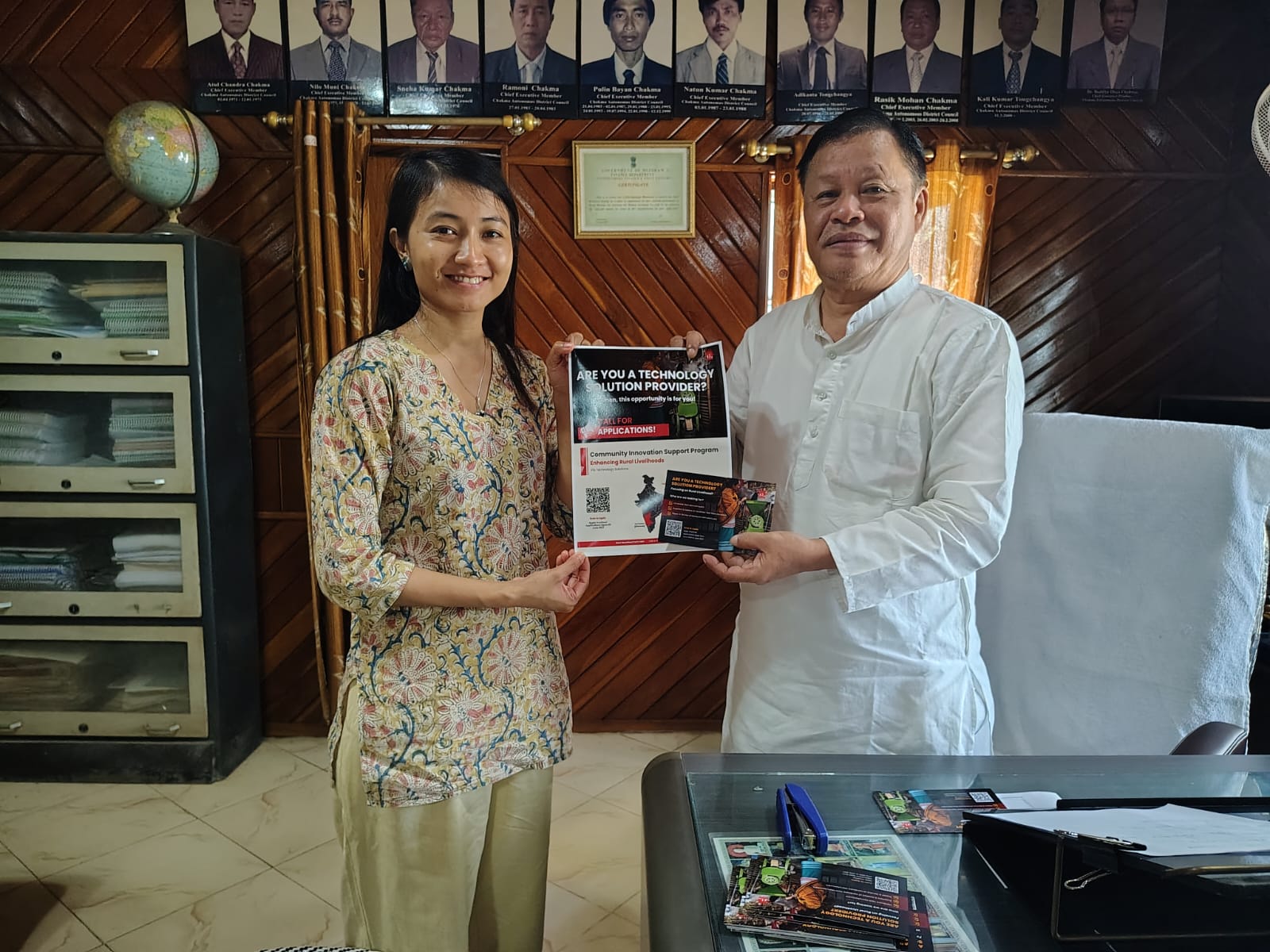
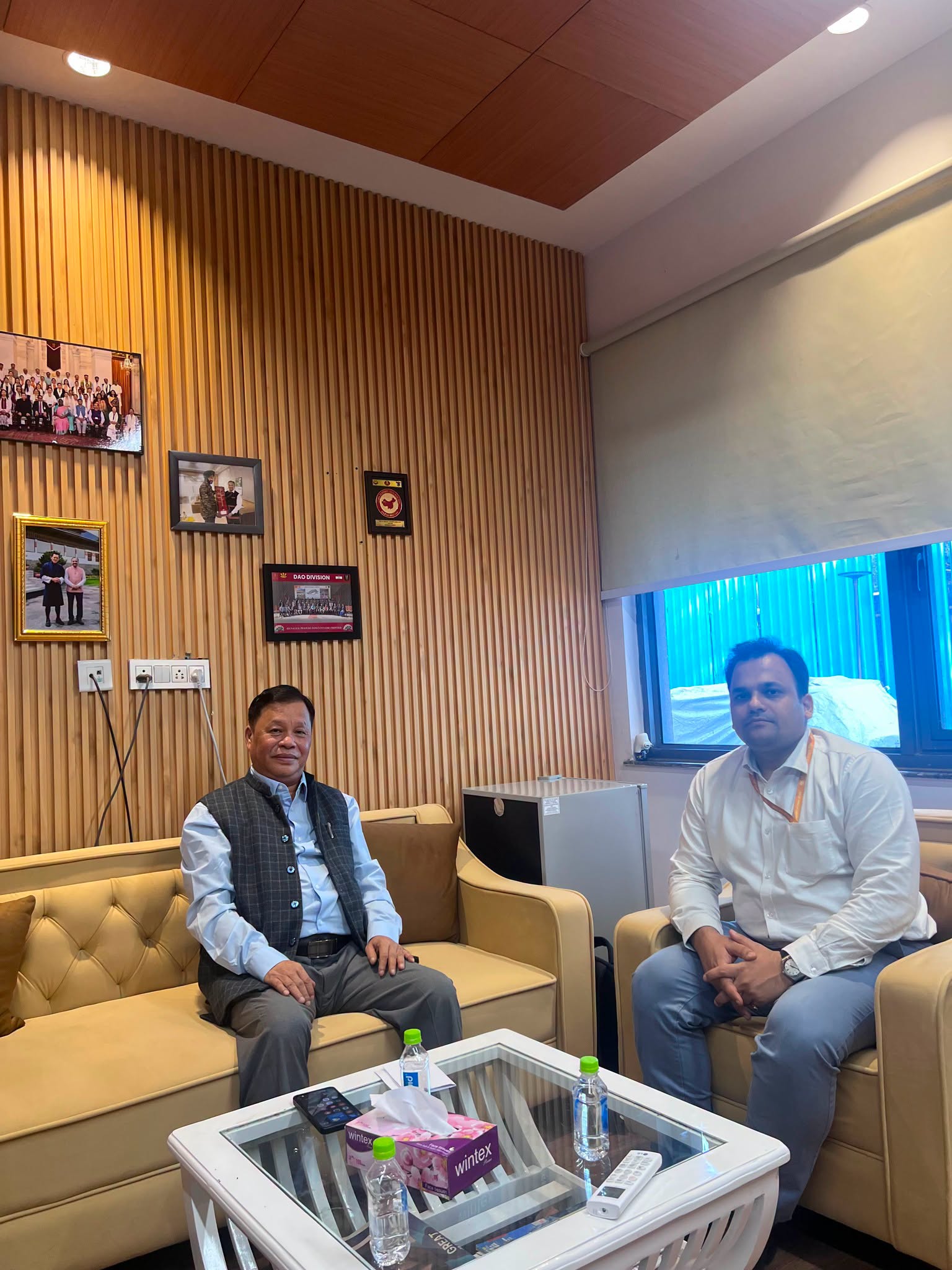
𝐊𝐚𝐦𝐚𝐥𝐚𝐧𝐚𝐠𝐚𝐫, 𝟐𝟒 𝐒𝐞𝐩𝐭𝐞𝐦𝐛𝐞𝐫, 𝟐𝟎𝟐𝟔: The chief Executive Member of Chakma Autonomous District Council (CADC), Dg. Nirupam Chakma met Dgb. Usma Chakma of SELCO Foundation, Bangalore at his office on the 24th September 2026 (Thursday) to discuss a range of issues relating to the support for technology innovators of CADC from SELCO Foundation.
During the meeting, she briefed the Chief Executive Member on SELCO Foundation’s plan to implement its Community Innovation Support Program – Enhancing Rural Livelihoods via Technology Solutions within the Chakma Autonomous District Council area.
The programme seeks to engage local and regional technology solution providers, including hardware manufacturers, suppliers, dealers, and repair and service providers, to connect rural livelihood activities with appropriate technology solutions for improving productivity and income generation.
Applications under the programme will remain open till June 2027. Interested technology solution providers may refer to the attached programme flyers for details of the application process or contact +𝟗𝟏 𝟗𝟔𝟖𝟔𝟔𝟐𝟏𝟖𝟐𝟕 for further information. SELCO Foundation is eager to partner with and support Manufacturers and Supply & Service providers.
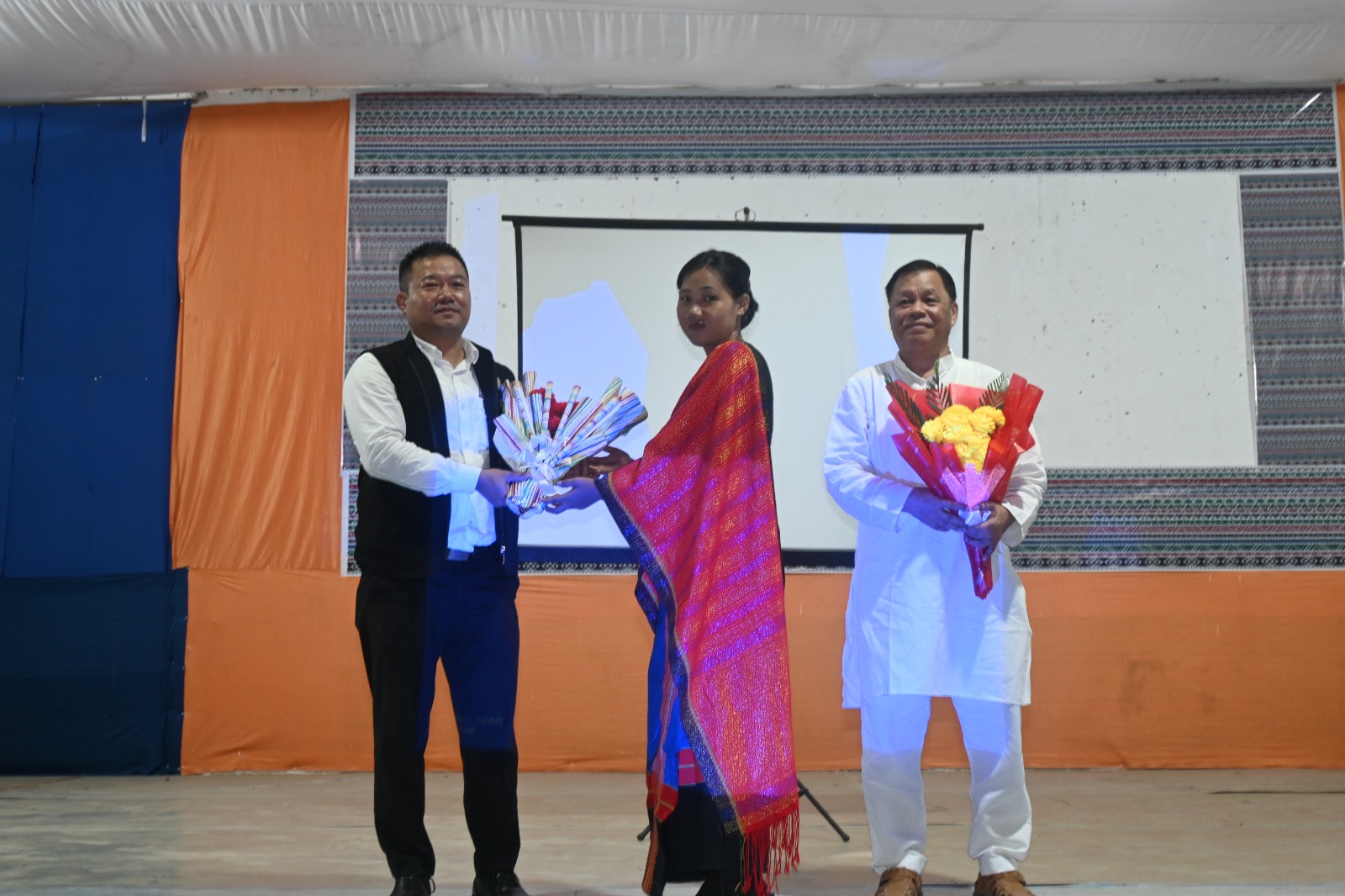
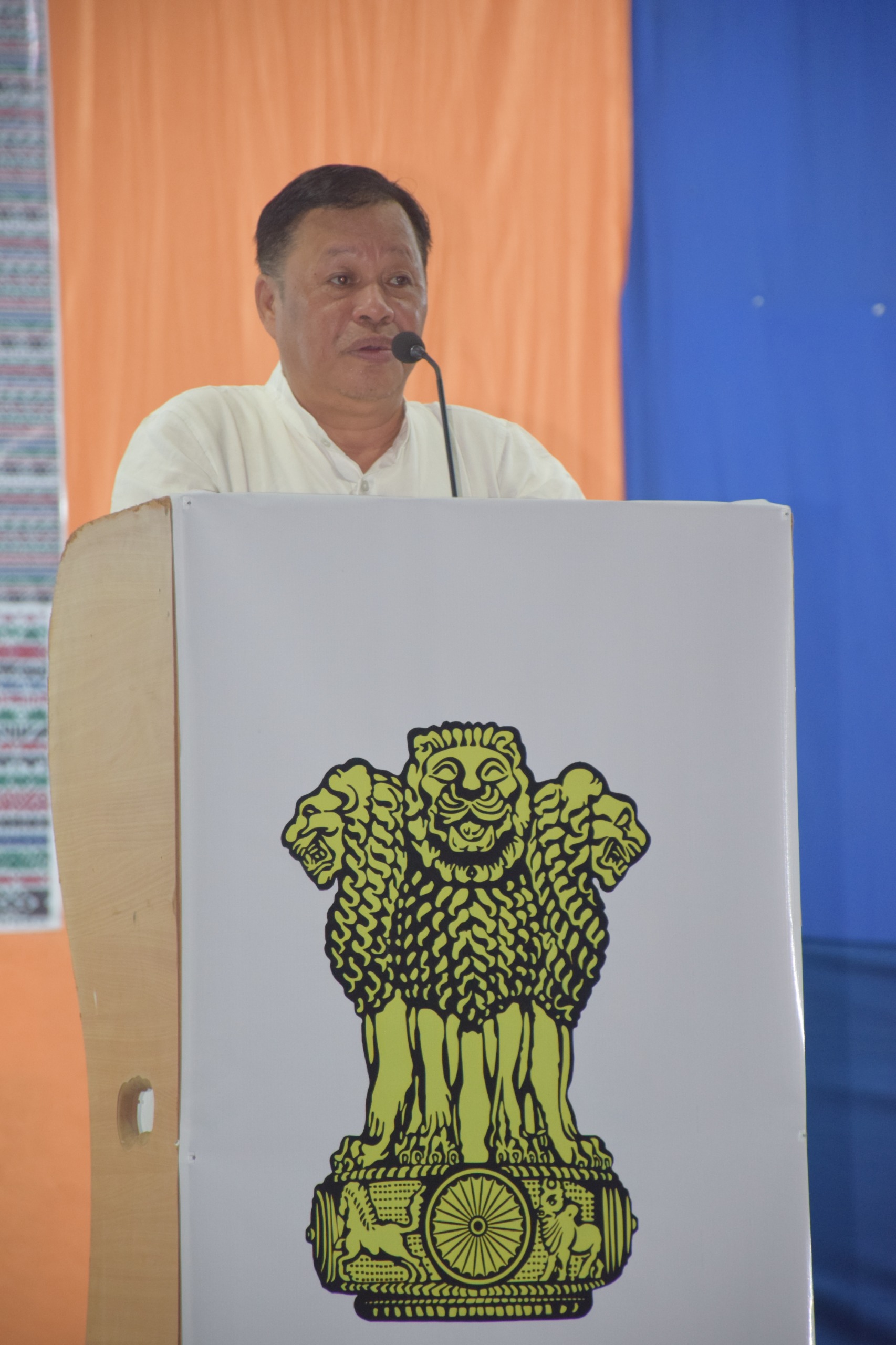
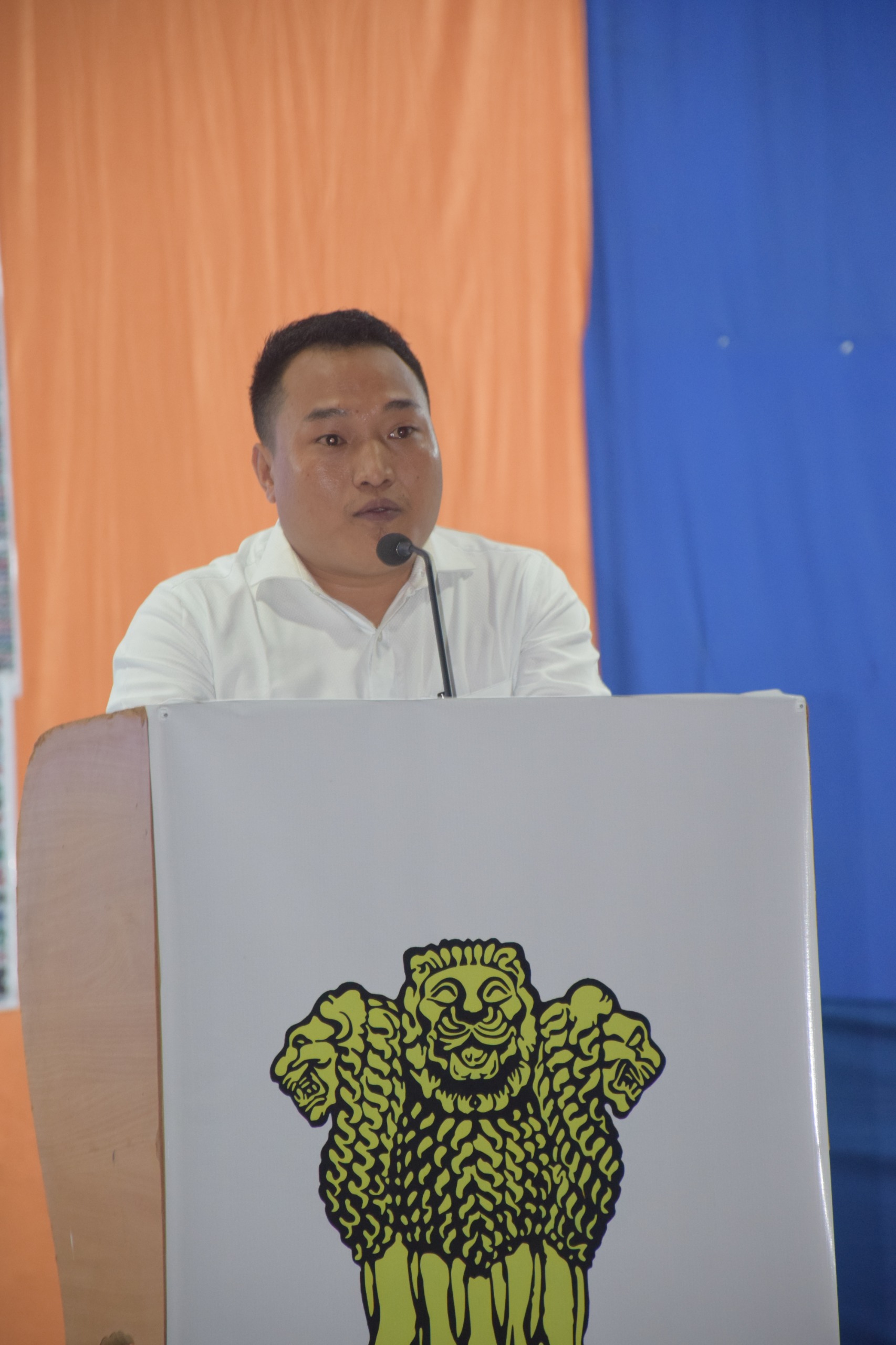
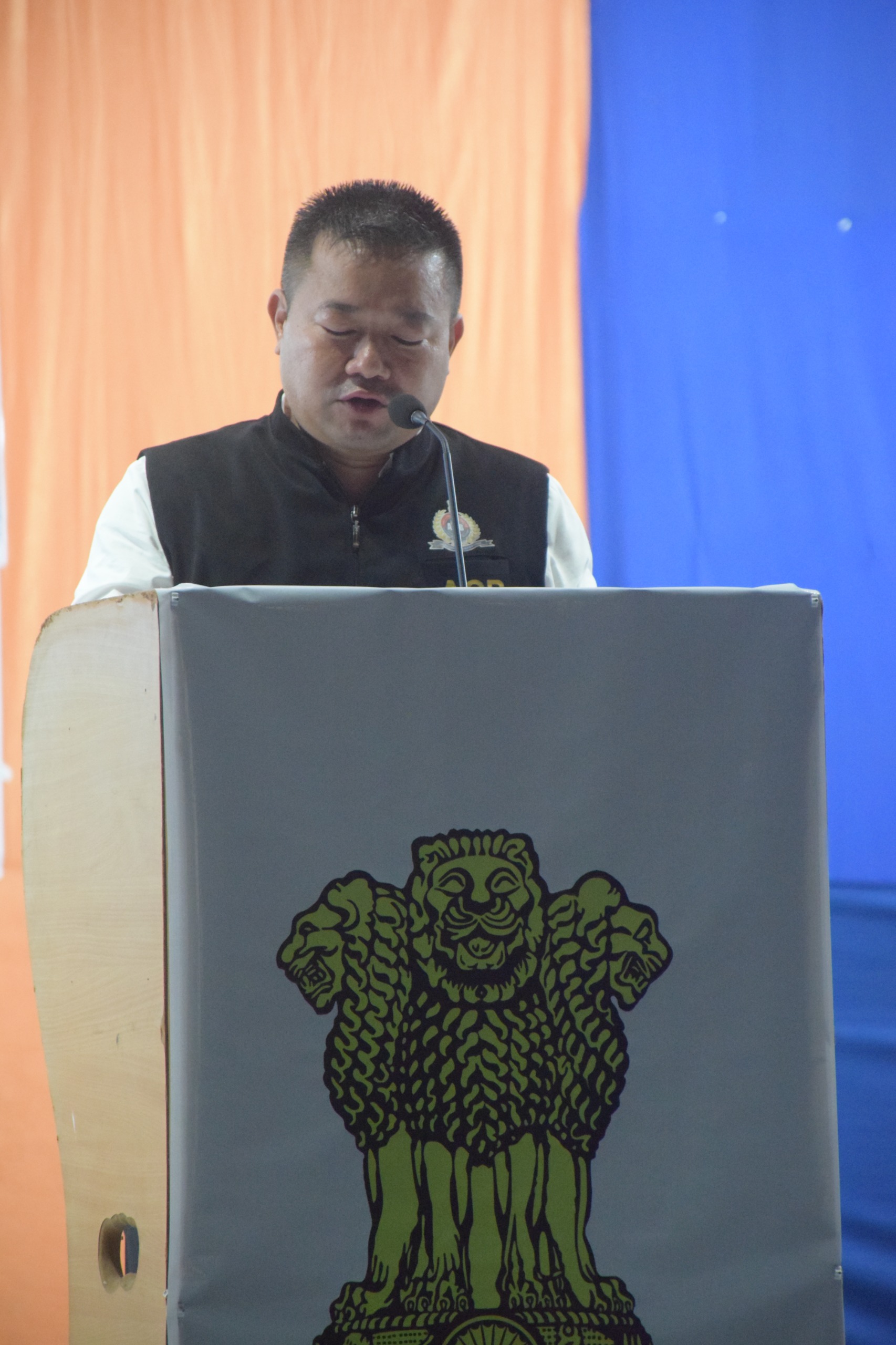
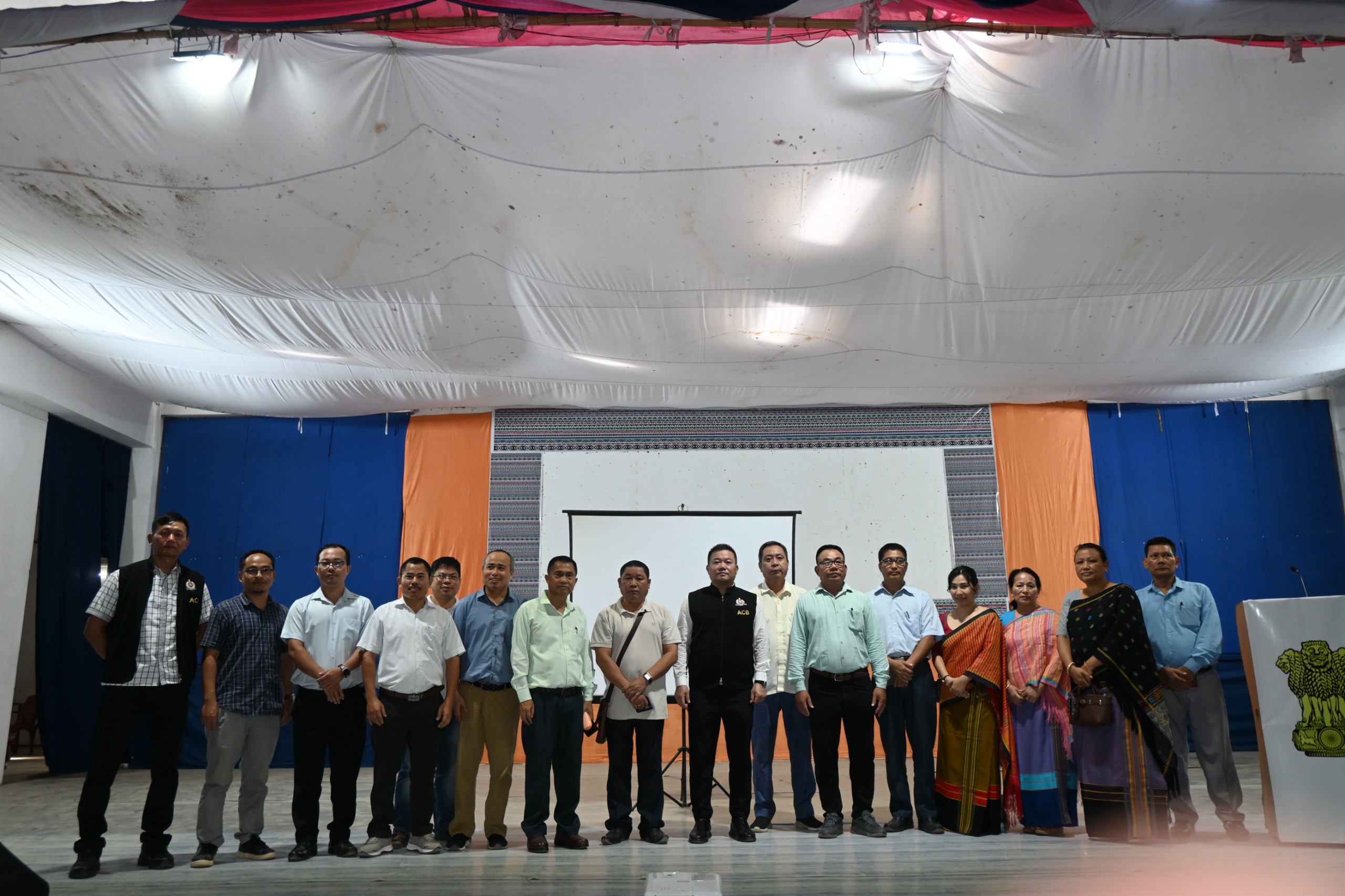
Kamalanagar, 24 September 2026: The Anti-Corruption Bureau (ACB), Mizoram, conducted an Anti-Corruption Awareness Campaign at the CADC Arts & Culture Hall, Kamalanagar, Chakma Autonomous District Council (CADC) today. The programme was hosted with a view to creating awareness among public servants about corruption, their responsibilities under the law and measures to prevent corrupt practices in public administration.
The programme was chaired by the Executive Secretary, CADC, Dg. Pronit Bikash Chakma. Dg. Nirupam Chakma, Chief Executive Member (CEM), CADC, attended as the Chief Guest, while Dg. Supreme Raj Chakma, Executive Member in-charge of Law & Judicial Department, CADC, was the Guest of Honour.
In his welcome address, Dg. Pronit Bikash Chakma appreciated the ACB for organising the campaign at CADC. He said such initiatives play an important role in strengthening public institutions by creating awareness about rules, regulations and the legal framework required to prevent lapses and administrative deficiencies. He said greater awareness would help reinforce transparency, integrity and ethical conduct among public servants.
Addressing the gathering, Dg. Nirupam Chakma called for the need for public servants to understand their responsibilities in preventing corruption. He said that unless people understood their responsibilities, they could not effectively speak against corruption. Referring to the importance of the rule of law in a democracy, he said every person, particularly those holding public office, should be aware of the law while discharging their duties.
He added that actions carried out beyond the limits prescribed by law could amount to corruption and emphasised the importance of legal awareness in the fight against corruption. “If we don’t know the rule of law, then mistake is certain,” he said. The CEM called upon all government servants to maintain integrity in the discharge of their duties and said that there should be zero tolerance for corruption in CADC. He also said that an Annual Confidential Report (ACR) system would be introduced in CADC to help prevent cases of out-of-turn promotion, pay upgradation and other irregularities.
Dg. Supreme Raj Chakma, in his address, spoke about different forms of corruption, including abuse of power and intentional delay in the discharge of official duties. He stressed the importance of integrity in public administration, stating that administration could not be reformed without integrity.
He said the present Executive Committee of CADC was taking steps towards greater transparency in the administration, including through the constitution of Departmental Promotion Committee (DPC). He also pointed out that government plans and policies could not be implemented by the government alone, as government employees had a key role in their implementation. Dg. Supreme Raj Chakma said the Executive Committee was making efforts to improve transparency and boost public confidence in the CADC administration. He further said that the Executive Committee is intending to make the declaration of assets compulsory for CADC employees.
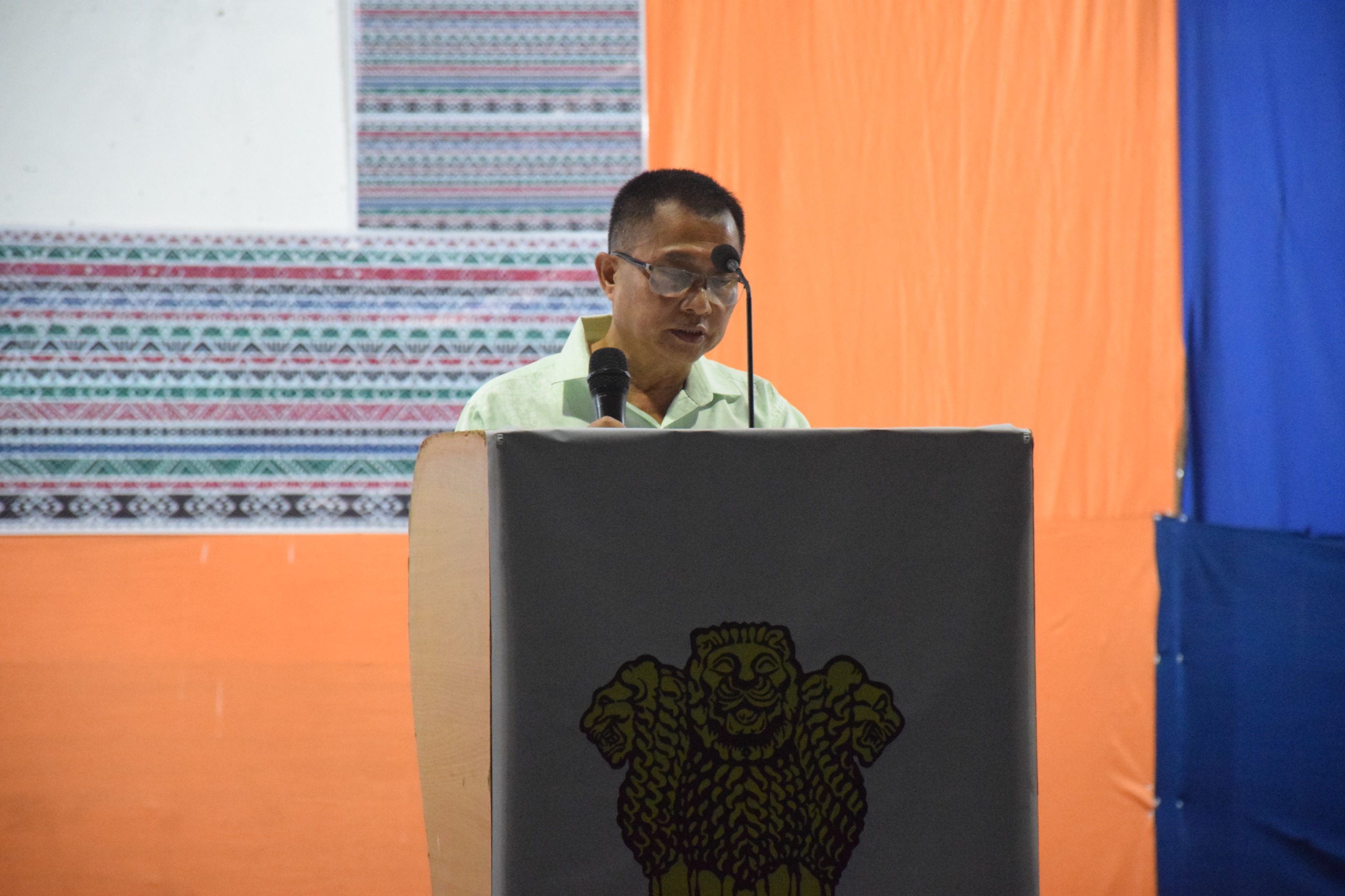
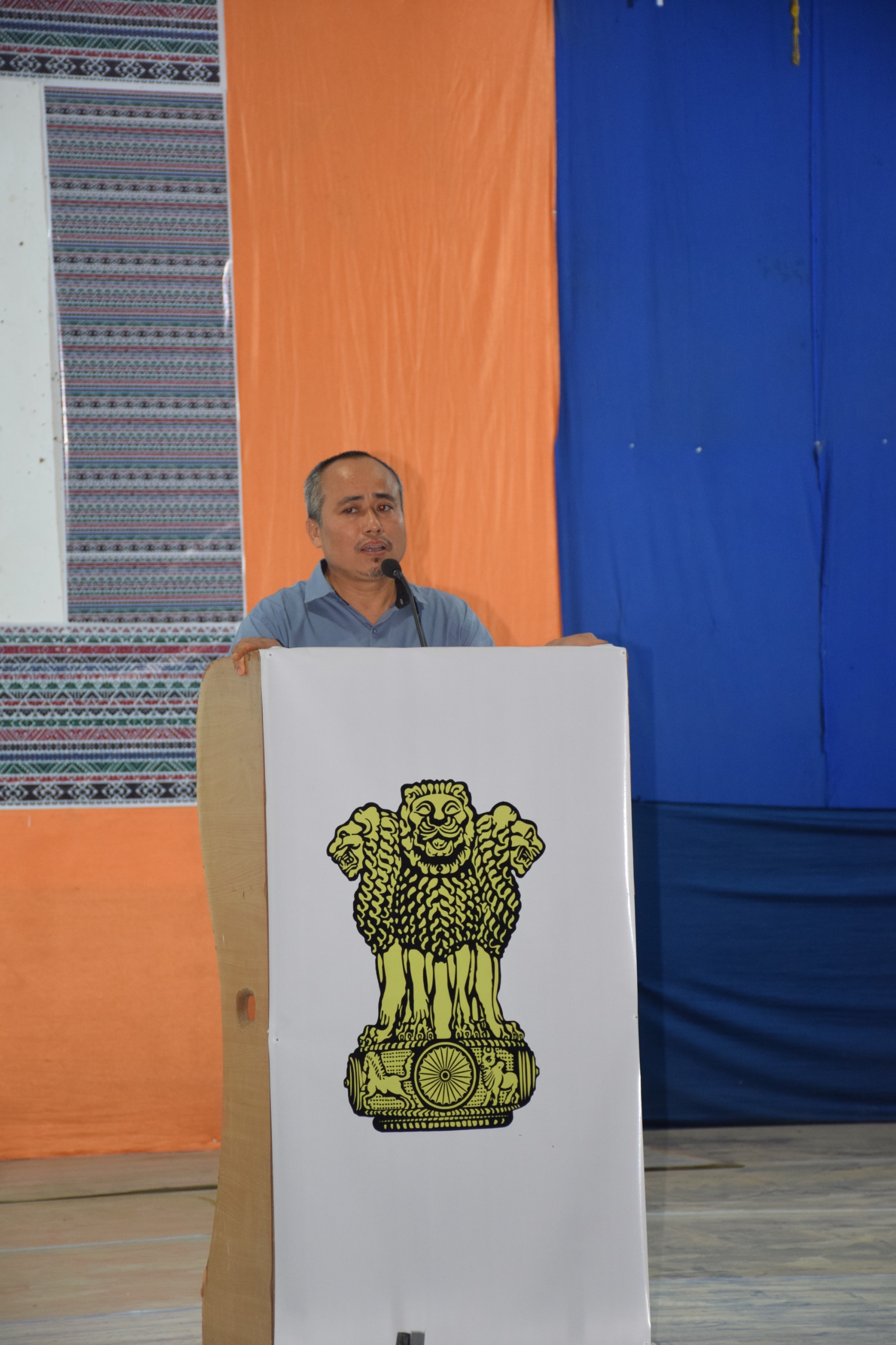
Pu Zarzoliana, Additional Superintendent of Police, ACB, Mizoram, delivered the main address through a PowerPoint presentation on anti-corruption measures. The presentation covered the nature and impact of corruption, situations in which corrupt practices may occur in CADC, the rules and duties of government servants, relevant legal provisions under the Bharatiya Nyaya Sanhita (BNS), procedures for reporting corruption and the Whistle Blowers Protection Act, 2011.
He also explained the importance of preventive vigilance and the role of government employees in preventing corruption. Participants were informed about the appropriate channels for reporting suspected corrupt practices and the safeguards available under the relevant provisions of law.
As part of the awareness campaign, a pledge board was also placed at the venue, where the participants were encouraged to put their signatures as a commitment to refrain from corrupt practices and uphold integrity in the discharge of their official duties The programme was attended by Members of the District Council, former Councillors, representatives of NGOs, and Group A, B and C employees of CADC, including teaching staff, Heads of Departments and other officers and staff.
The programme concluded with a vote of thanks proposed by Dg. Prabin Chakma, Planning & Development Officer (P&DO), CADC.
Kamalanagar, September 17, 2026: The 27th meeting of the Executive Committee of the 11th Chakma Autonomous District Council (CADC) was held yesterday in the office chamber of Chief Executive Member (CEM) Dg. Nirupam Chakma, who chaired the meeting.
The following agenda items were discussed and approved:
Proposal for review of the standing Departmental Promotion Committee (DPC), CADC – GAD: Approved.
Proposal for selection of persons/individuals for the members of the Planning & Development Board, CADC – GAD Approved.
Representation of the Sr. Executive Engineer, PWD, Aizawl Road North Division, Aizawl requesting permission for improvement of the approach road to Chakma House at Hunthar, Aizawl, under the Vaivakawn – Company Peng Road Improvement Project (SASCI) – PWD Approved and decided that permission shall be accorded for execution of the work.
Reminder received vide No. B.11013/10/2025/E-P&AR (GSW) dated 30/07/2026 from the Secretary to the Govt. of Mizoram, DP&AR regarding Periodical Review of Government Servants under FR 56(j)/(l) and Rule 48 of the CCS (Pension) Rules, 1972 – GAD Discussed and decided that necessary action shall be taken in accordance with O.M. issued by the Government of Mizoram, Department of Personnel & Administrative Reforms (General Service Wing), vide No. A22020/1/2019-P&AR(GSW) Dt.7/4/2026 regarding periodical review of Government servants under FR 56(j) (i) and Rule 48 of the CSS (Pension) Rules, 1972.
Additional Agenda Items:
Proposal for Roll-out of the CADC e-Service Book & HRM System – GAD Approved. Decided that necessary machineries and manpower shall be arranged for successful implementation of the CADC e-Service Book & HRM System developed in-house.
Proposal for review of the Trade Licence Fees and Professional Taxes of the tax payers other than CADC/Government employees – Taxation Approved.
𝐍𝐞𝐰 𝐃𝐞𝐥𝐡𝐢, 𝟖 𝐒𝐞𝐩𝐭𝐞𝐦𝐛𝐞𝐫 𝟐𝟎𝟐𝟔: Shri Nirupam Chakma, Chief Executive Member (CEM), Chakma Autonomous District Council (CADC), today met Shri Niraj Kumar, Joint Secretary, and Shri Ankit Mishra, Director, Ministry of Development of North Eastern Region (DoNER), Government of India, in New Delhi.
During the meeting, the CEM discussed the proposed “Buddhist Circuit in the North-Eastern States” scheme and highlighted the immense potential of the Buddhist heritage of the region for promoting tourism, cultural exchange and local economic development.
Shri Nirupam Chakma also apprised the senior officials of the developmental requirements and priorities of the Autonomous District Councils constituted under the Sixth Schedule to the Constitution of India, with particular emphasis on the need for greater support for infrastructure, connectivity, livelihood development and other essential development initiatives in the Sixth Schedule areas.
He emphasised that strengthening the institutional and developmental capacities of the Autonomous District Councils is essential for ensuring inclusive and sustainable development in the tribal areas of the North-East.
The meeting also provided an opportunity to discuss ways in which the Ministry of DoNER could support development initiatives in the CADC and other Sixth Schedule Autonomous Councils in the North-Eastern Region.
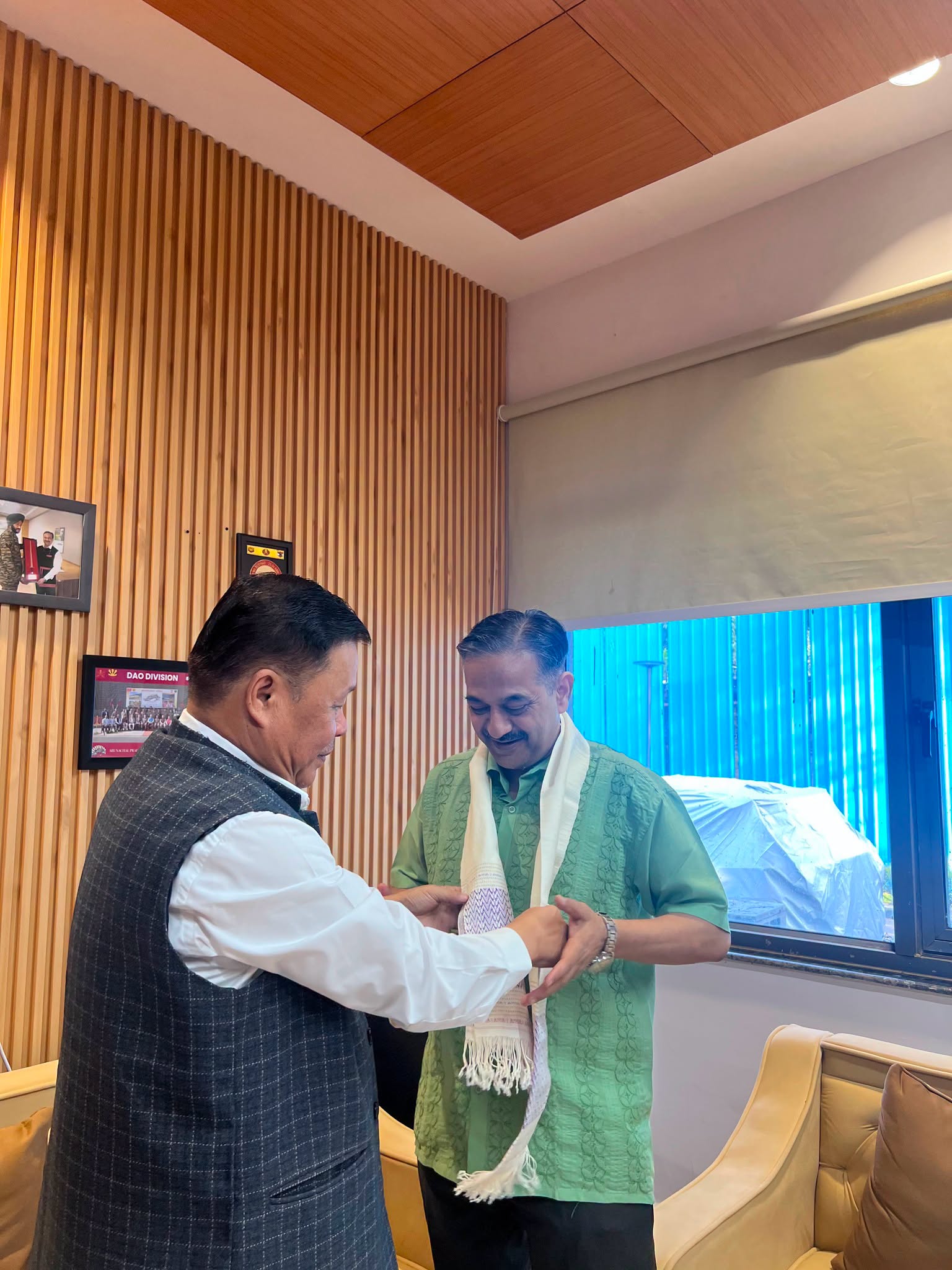
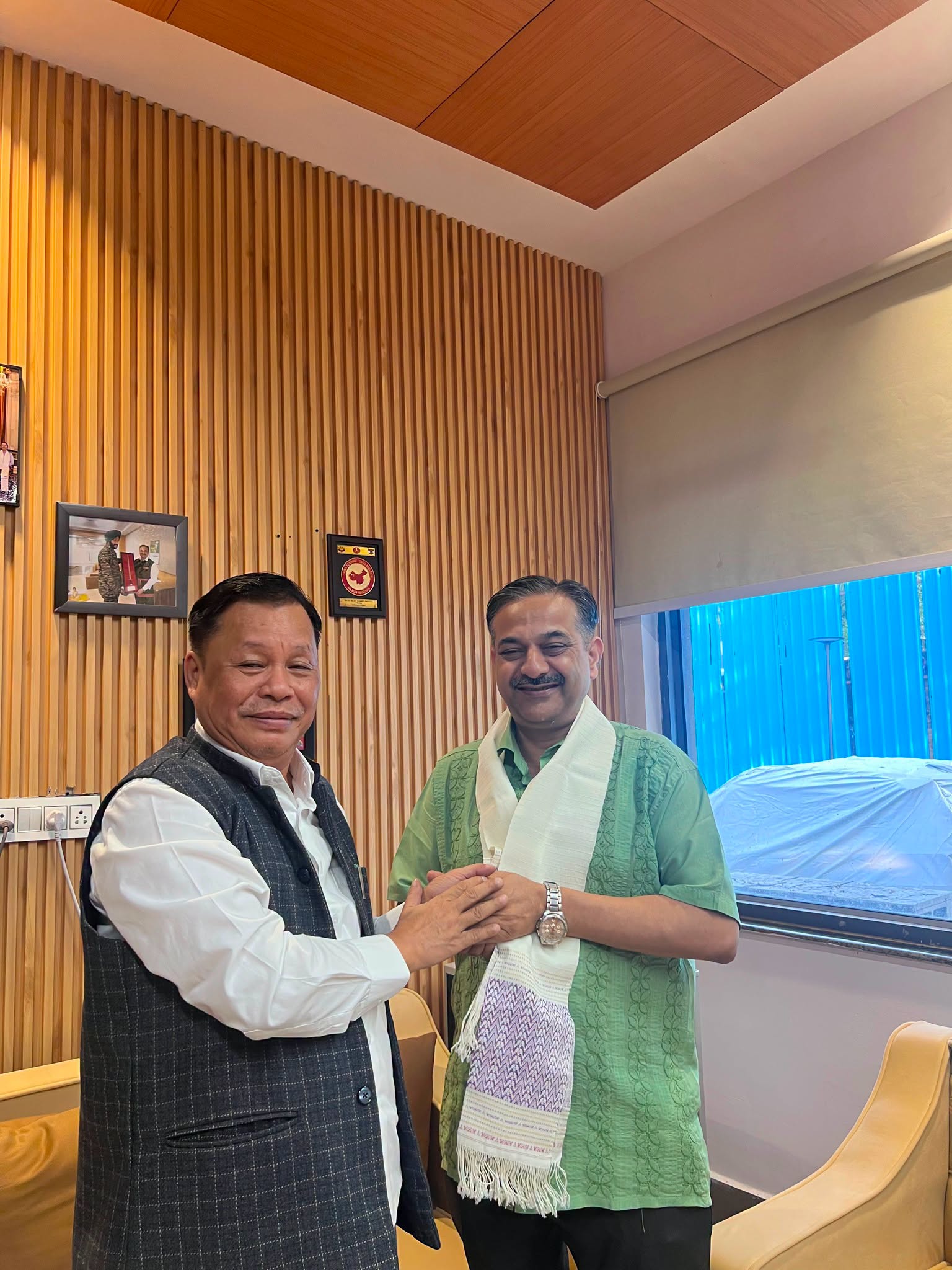
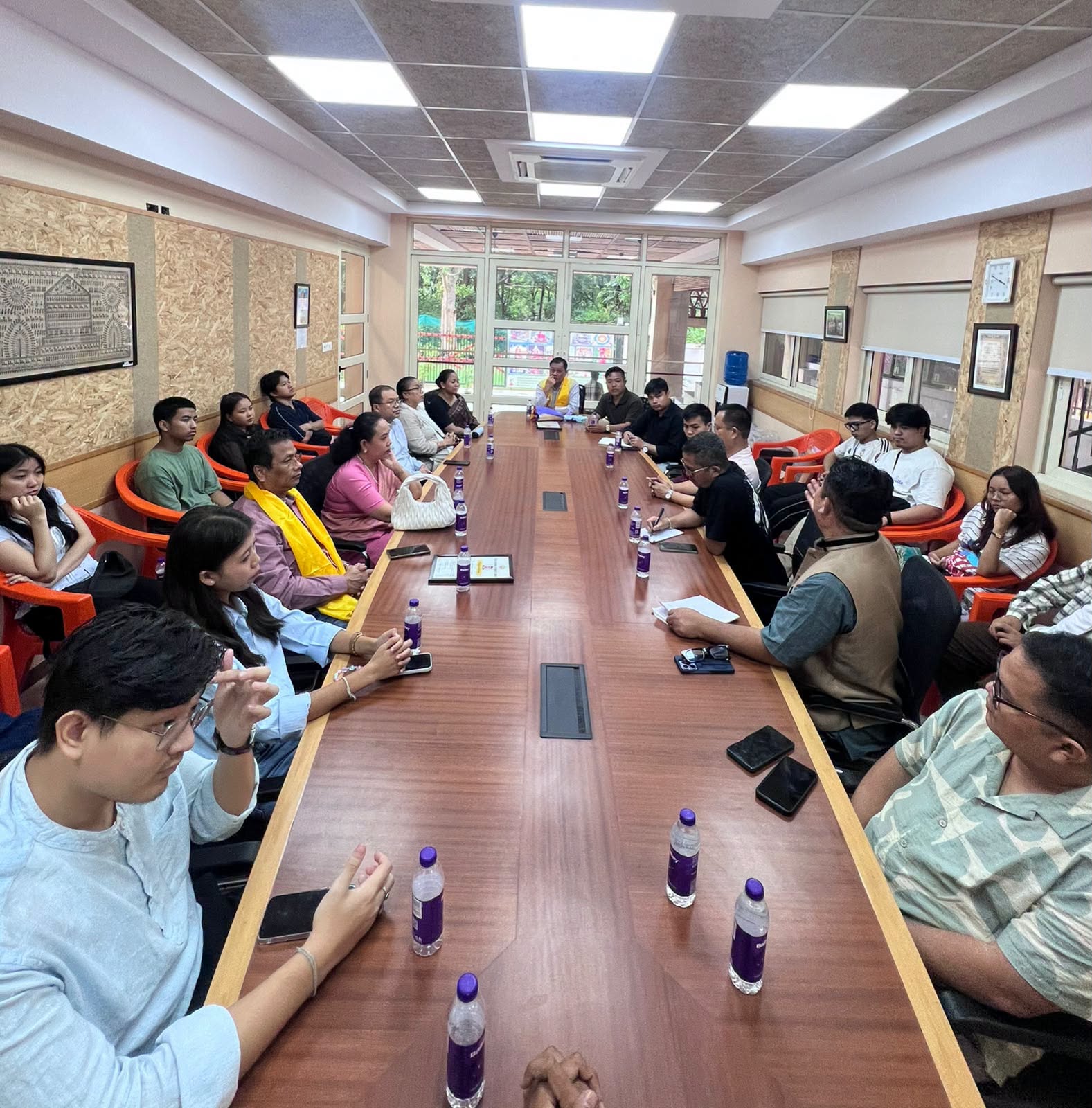
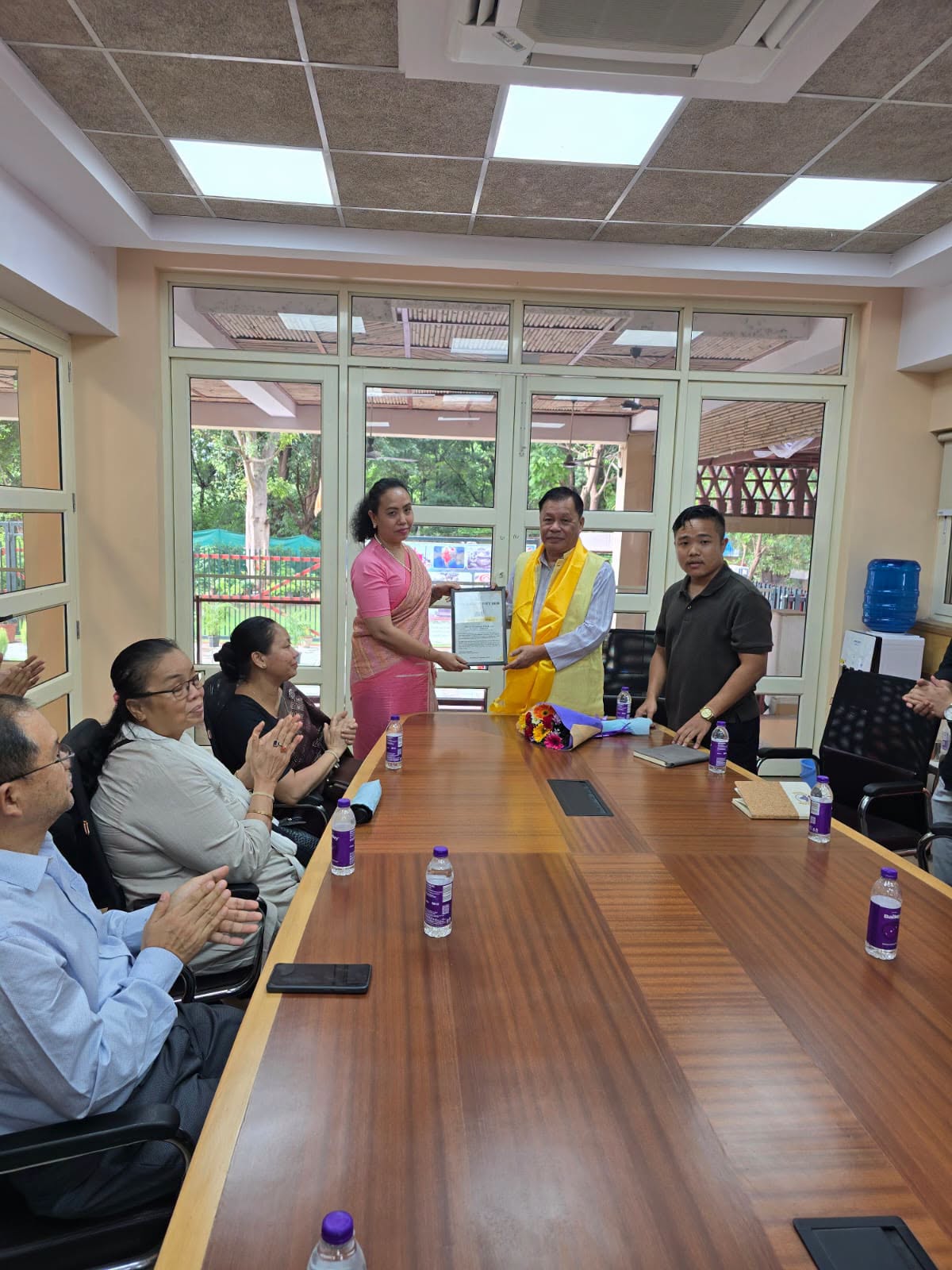
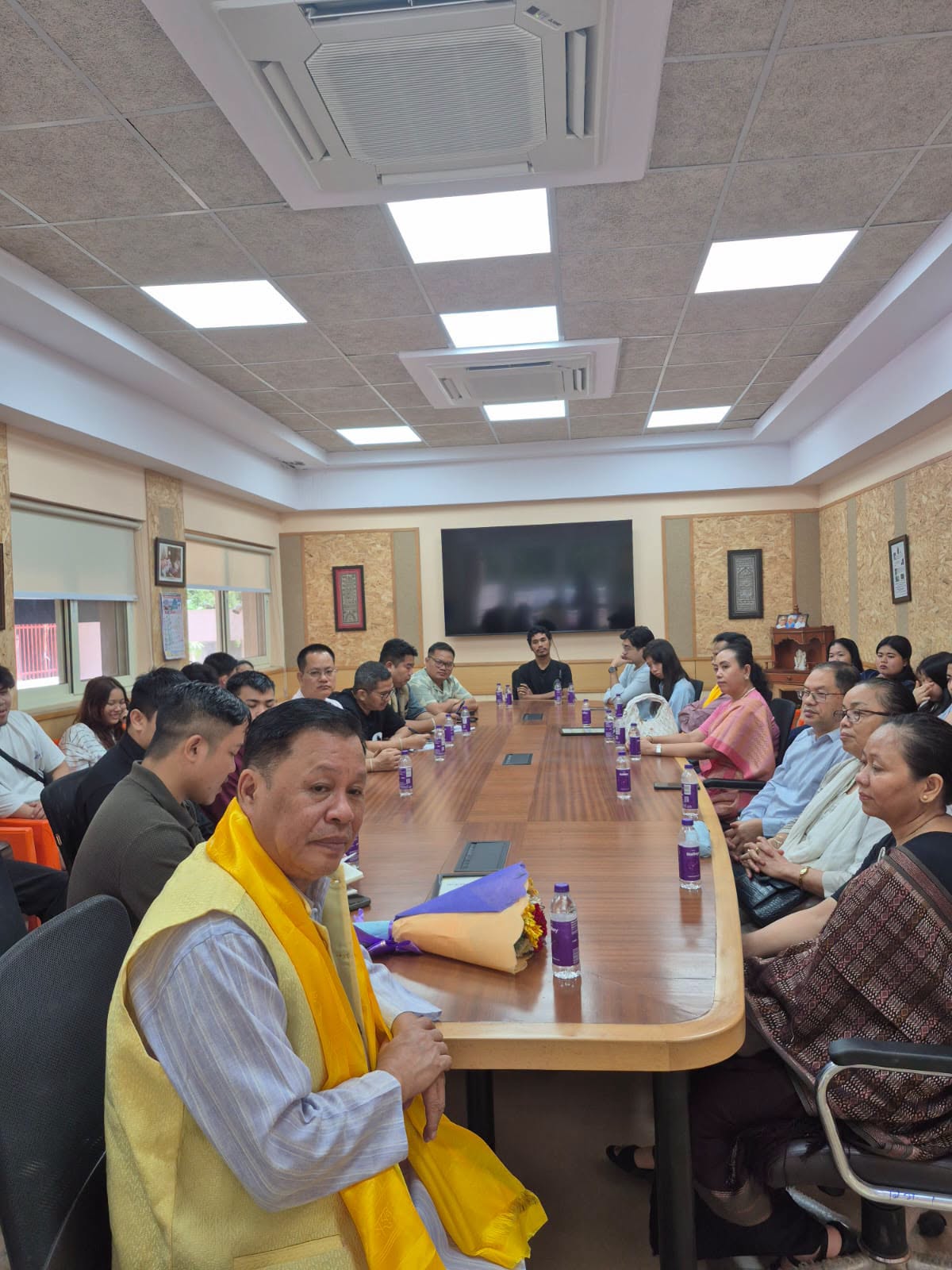
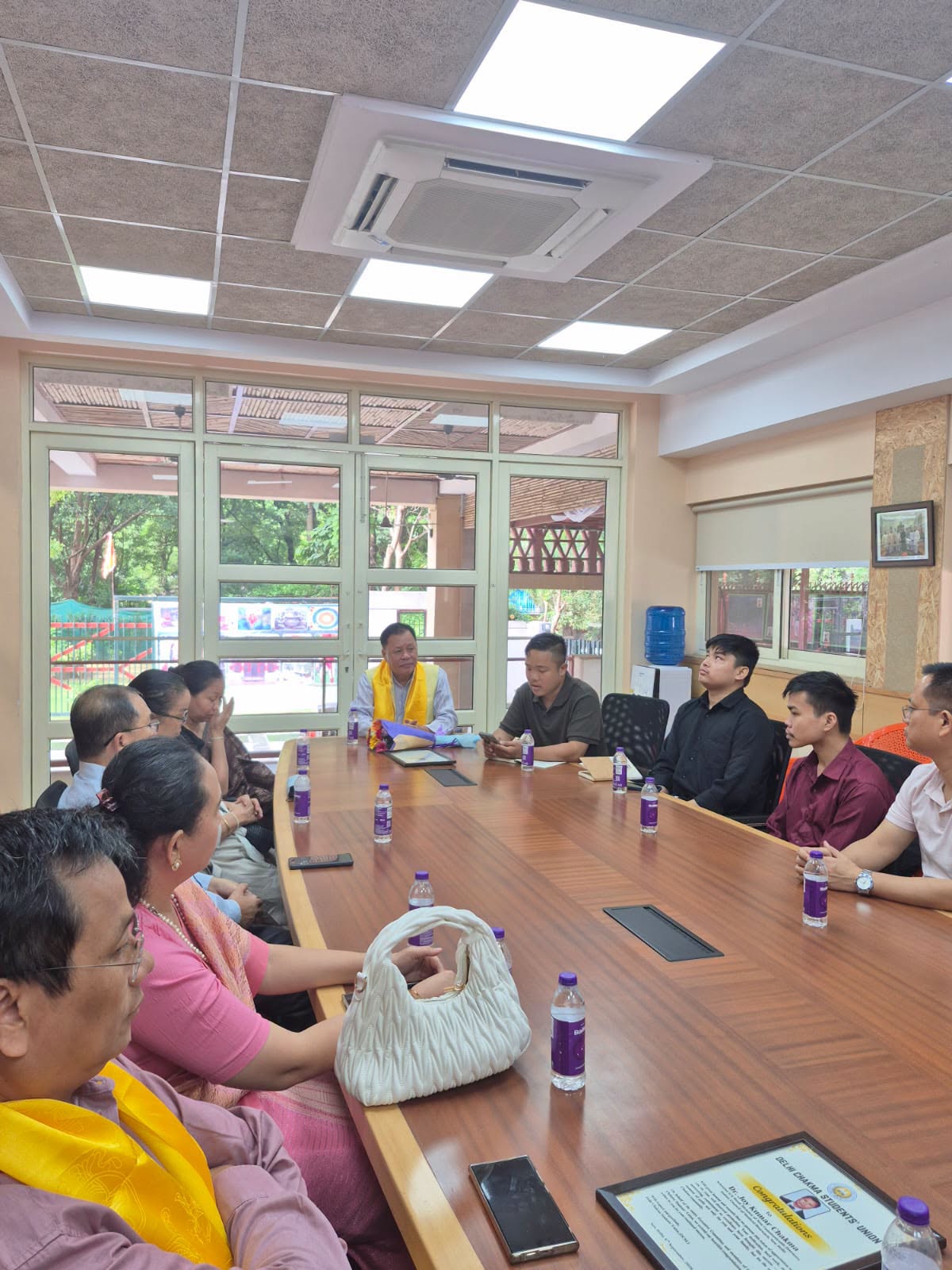
𝐍𝐞𝐰 𝐃𝐞𝐥𝐡𝐢, 𝟔 𝐒𝐞𝐩𝐭𝐞𝐦𝐛𝐞𝐫 𝟐𝟎𝟐𝟔: Chief Executive Member (CEM), Chakma Autonomous District Council (CADC), Shri Nirupam Chakma today interacted with the office-bearers and advisers of the Delhi Chakma Students Union (DCSU) at Bhagwan Birsa Munda Bhavan, Pushpa Vihar, New Delhi.
The interaction focused on issues concerning the welfare, education and aspirations of Chakma students residing in Delhi. The importance of maintaining unity, strengthening the student community and extending mutual support among Chakma students was also discussed.
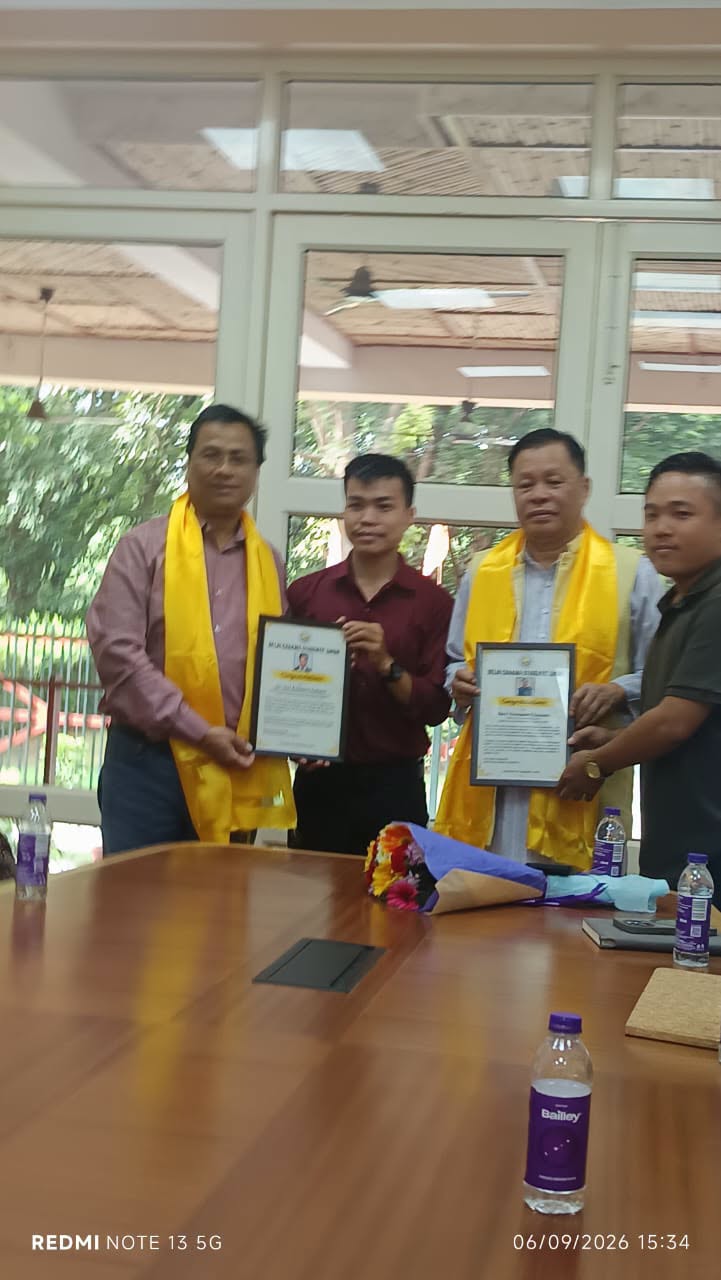
During the meeting, the Delhi Chakma Students Union felicitated Shri Nirupam Chakma on his assumption of office as Chief Executive Member of the Chakma Autonomous District Council.
The Union also felicitated Dr. Joy Kumar Chakma, Scientist-F, on his promotion and appointment as Head of the Central Procurement Cell (CPC) and Non-Communicable Diseases (NCD) at Indian Council of Medical Research (ICMR), New Delhi. The CEM congratulated Dr. Joy Kumar Chakma on his achievement and expressed hope that he would continue to make valuable contributions to the nation through his professional service.
Shri Nirupam Chakma appreciated the Delhi Chakma Students Union for organising the interaction and felicitating the dignitaries. He encouraged the students to pursue excellence in education, build successful careers and remain connected with their community while contributing positively to society and the nation.
The CEM also emphasised the importance of the Delhi Chakma Students Union as a platform for promoting unity and cooperation and for advancing the overall welfare of Chakma students in Delhi.
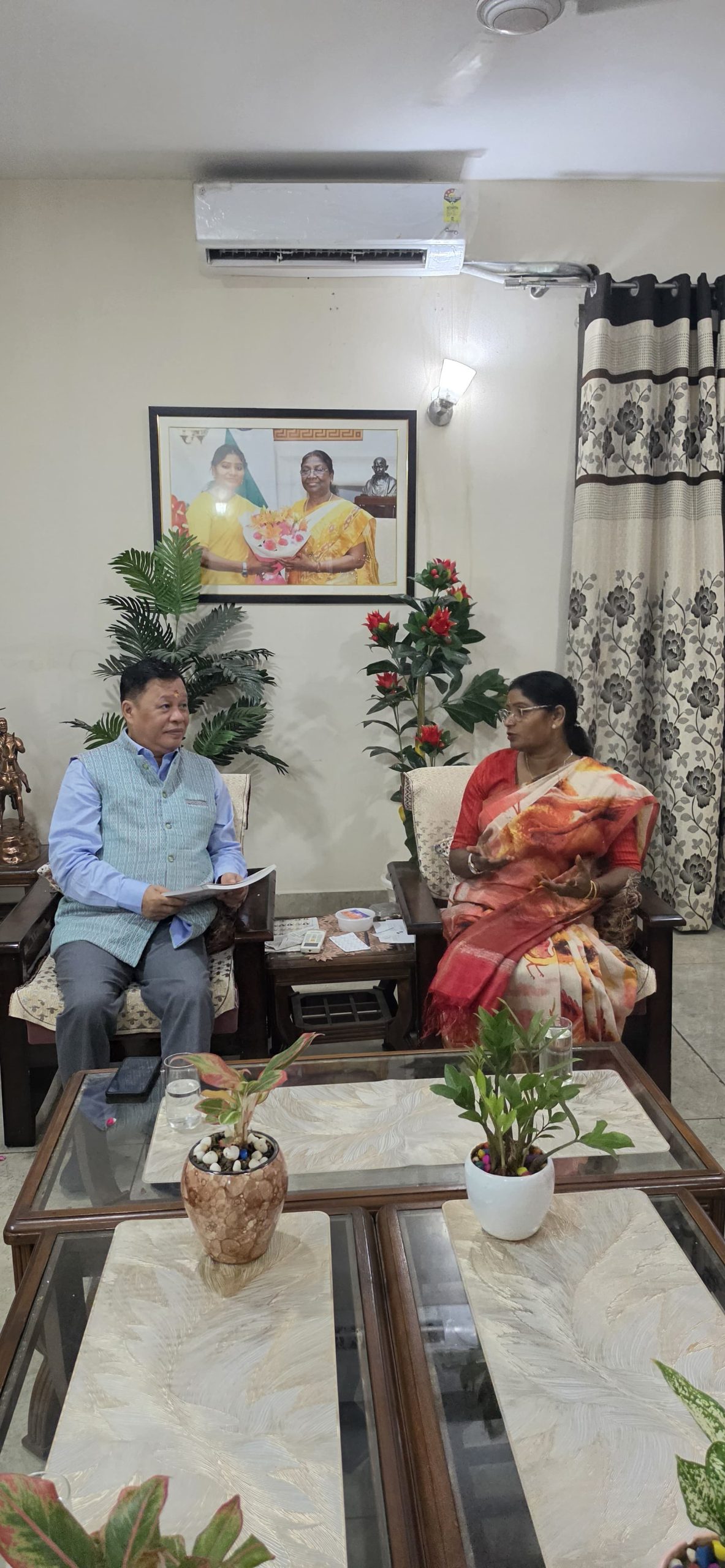
New Delhi, 5 September 2026:Chief Executive Member (CEM) of the Chakma Autonomous District Council (CADC), Shri Nirupam Chakma, today called on Dr. Asha Lakra, Hon’ble Member of the National Commission for Scheduled Tribes (NCST), at her official residence in New Delhi.
Shri Nirupam Chakma expressed his gratitude to Dr. Asha Lakra for warmly welcoming him and felicitating him on his assumption of office as the Chief Executive Member of the Chakma Autonomous District Council.
During the meeting, Shri Chakma and Dr. Lakra held detailed discussions on various issues concerning the welfare, development and protection of the rights and interests of Scheduled Tribes across the country. They also exchanged views on strengthening the role and effectiveness of the National Commission for Scheduled Tribes in safeguarding the constitutional and legal rights of Scheduled Tribes.
Shri Chakma appreciated the important role being played by the NCST in addressing the concerns of tribal communities and expressed his hope that the Commission would continue to work towards ensuring inclusive development, social justice and effective protection of tribal rights.
The meeting also provided an opportunity to discuss issues of common concern relating to the development and empowerment of Scheduled Tribes, particularly those living in the North-Eastern region.
Shri Chakma conveyed his best wishes to Dr. Asha Lakra and expressed his readiness to extend all possible cooperation in matters relating to the welfare and advancement of Scheduled Tribes.
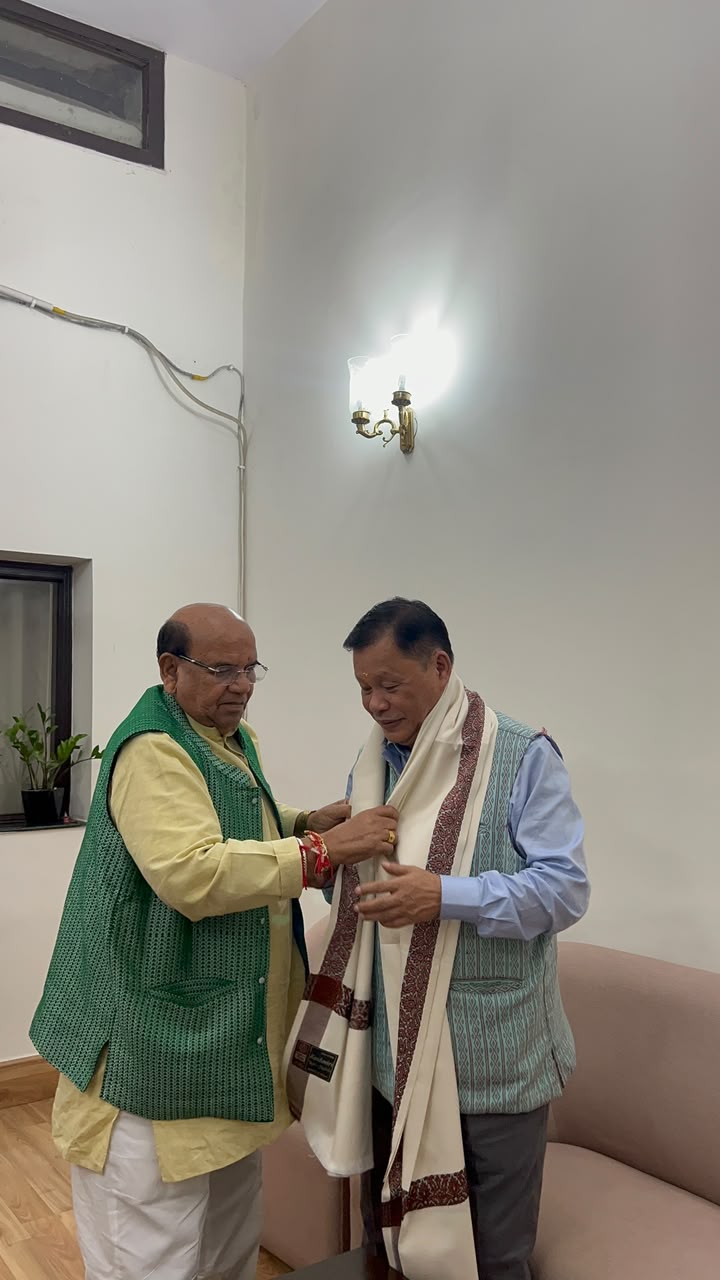
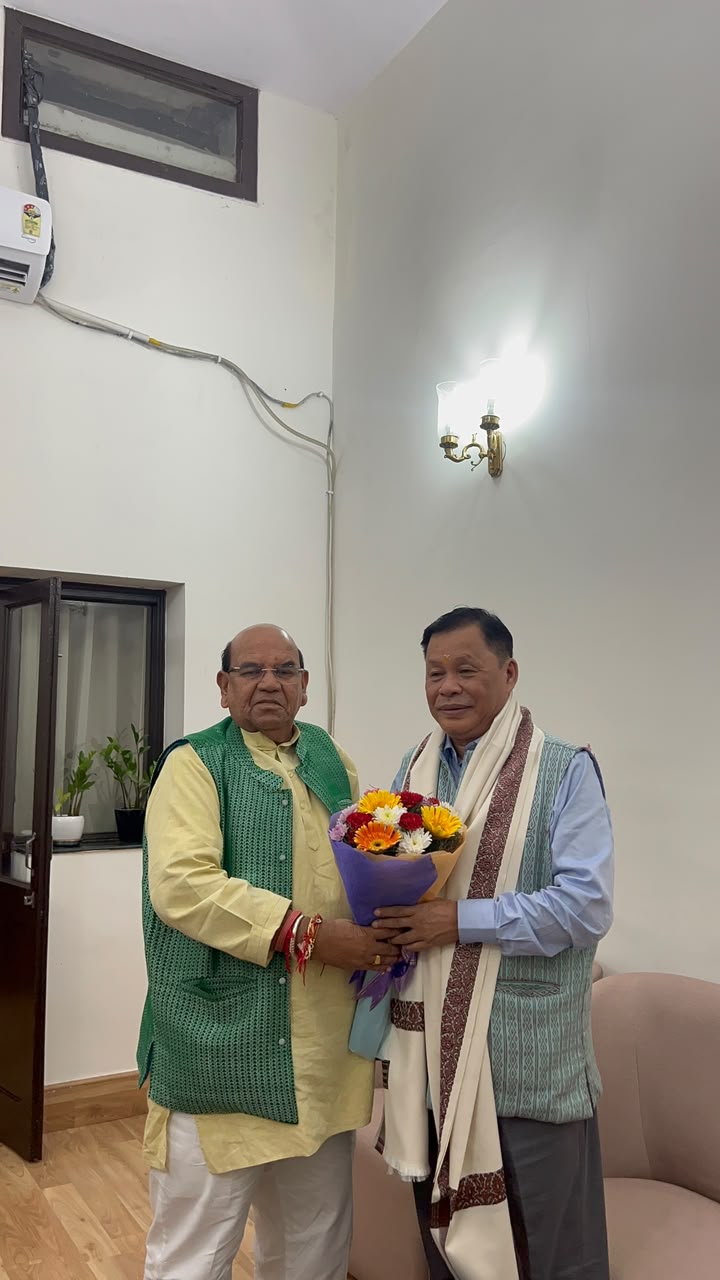
New Delhi, 5 September 2026: Shri Nirupam Chakma, Hon’ble Chief Executive Member (CEM) of the Chakma Autonomous District Council (CADC), today met Shri Antar Singh Arya, Hon’ble Chairperson of the National Commission for Scheduled Tribes (NCST), at his official residence in New Delhi.
Shri Antar Singh Arya warmly welcomed Shri Nirupam Chakma and felicitated him on his assumption of office as the Chief Executive Member of the Chakma Autonomous District Council.
During the meeting, the two leaders held detailed discussions on a wide range of issues concerning the welfare, rights, development and constitutional safeguards of Scheduled Tribes across the country. They also exchanged views on strengthening the institutional mechanisms for protecting the interests of tribal communities.
Shri Nirupam Chakma requested the Hon’ble Chairperson to expedite the ongoing review of the Fifth and Sixth Schedules to the Constitution of India, keeping in view the contemporary challenges and aspirations of Scheduled Tribe communities. He further requested that the NCST consider preparing a comprehensive Special Report on the review, for submission to the Hon’ble President of India, highlighting the need to strengthen the constitutional safeguards and institutions governing Scheduled Areas and Autonomous District Councils.
Shri Chakma also requested the Chairperson’s intervention and support in facilitating the allotment of a suitable plot of land in New Delhi for the construction of a Students’ Hostel and Guest House for the Chakma community, which would provide accommodation and institutional support to students and visitors from the community coming to the national capital.
Another important proposal discussed during the meeting was the organisation of a National Conference of State Commissions for Scheduled Tribes, bringing together the NCST and State Commissions to deliberate on issues relating to tribal rights, constitutional safeguards, socio-economic development and effective implementation of welfare programmes.
Shri Nirupam Chakma also proposed that the Foundation Day of the National Commission for Scheduled Tribes be commemorated on a larger and more significant national scale, providing an appropriate platform to highlight the constitutional mandate and achievements of the Commission and to deliberate on emerging challenges faced by Scheduled Tribe communities.
The meeting was held in a cordial and constructive atmosphere, with both leaders reaffirming their commitment to strengthening constitutional safeguards and promoting the welfare, dignity and development of Scheduled Tribes across India.
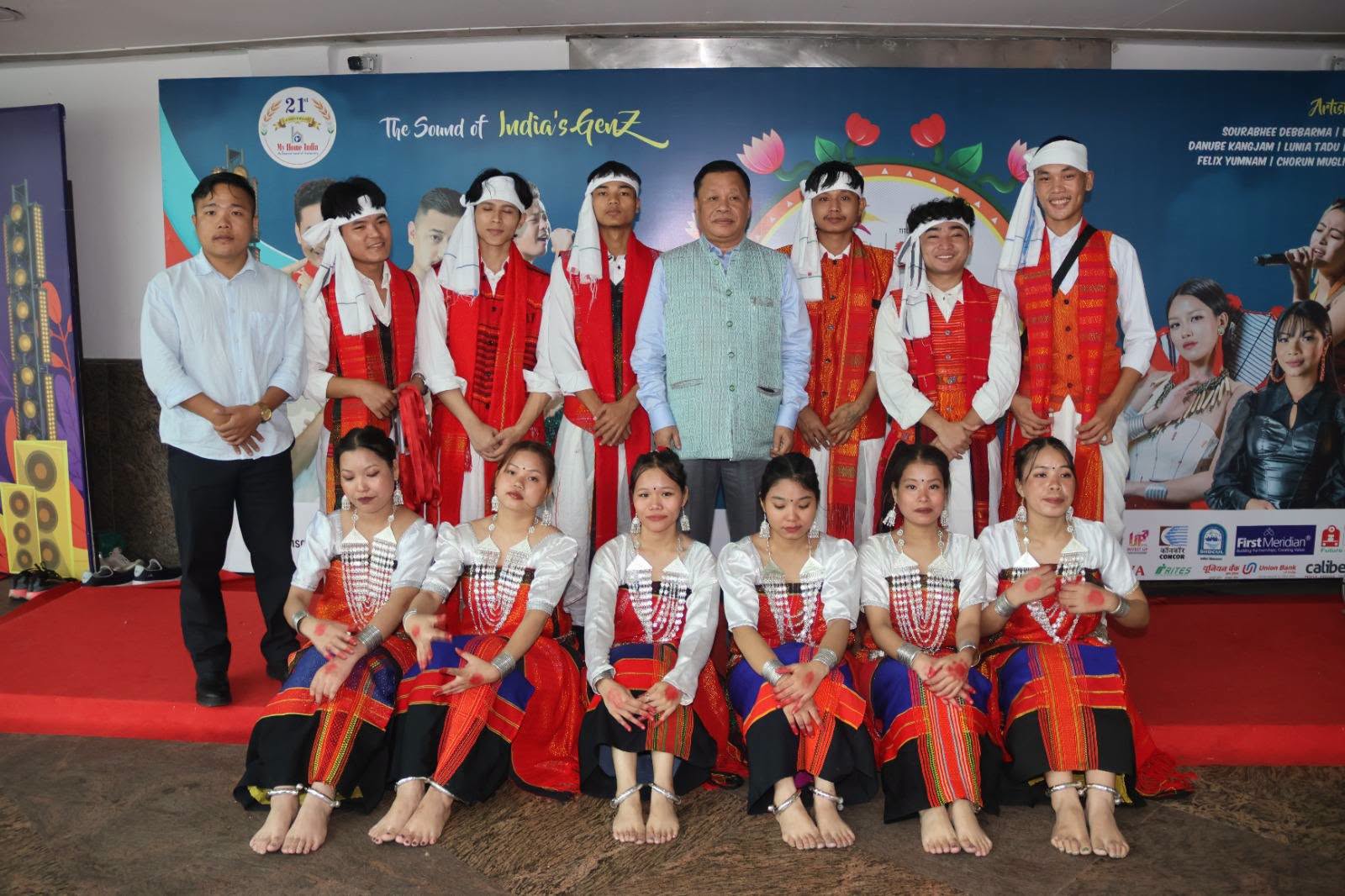
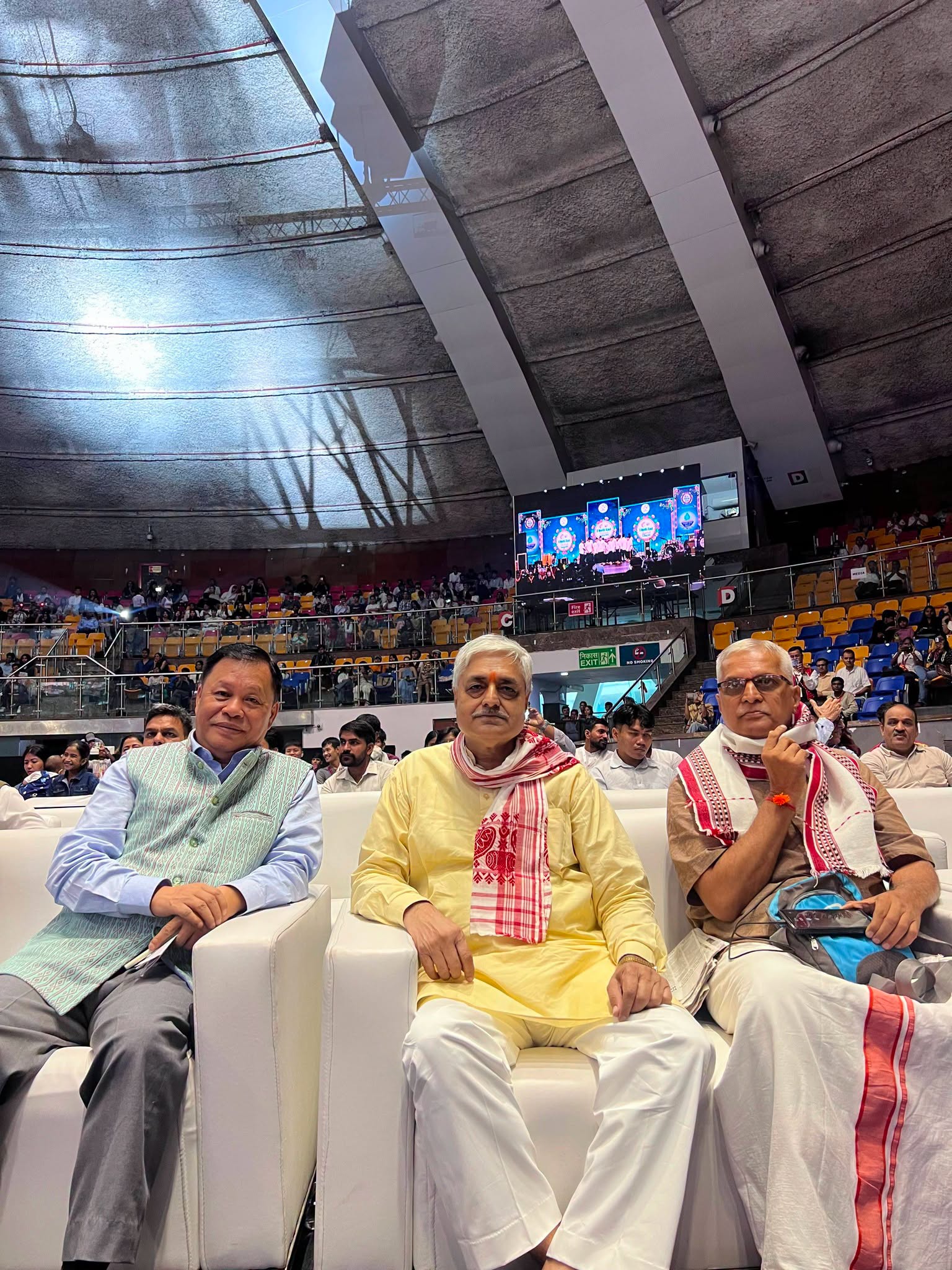
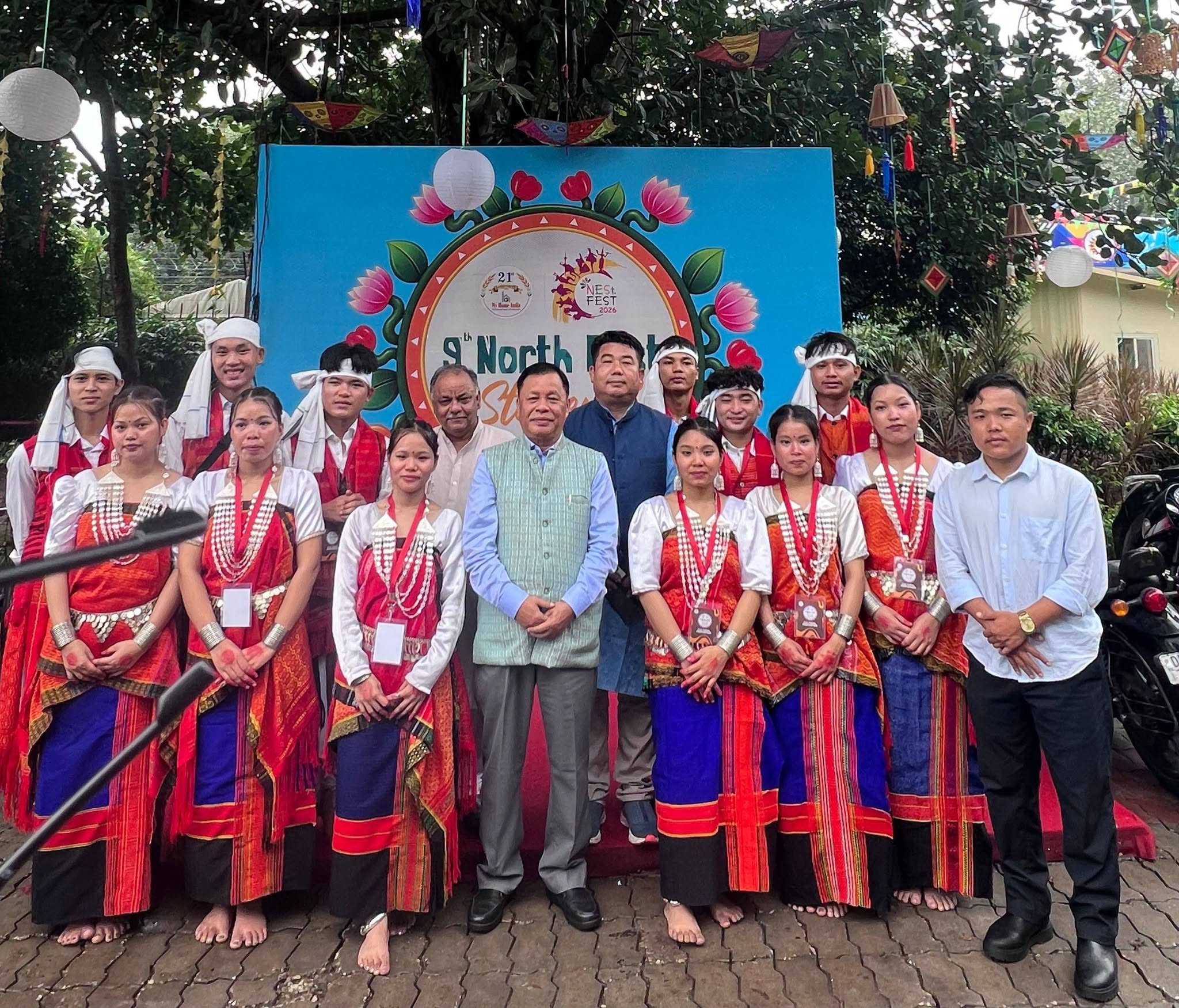
New Delhi, 5 September 2026: Hon’ble Chief Executive Member (CEM) of the Chakma Autonomous District Council (CADC), Shri Nirupam Chakma, today attended the second day of the 9th Edition of the North East Students Festival at Talkatora Stadium, New Delhi, organised by My Home India.
On the occasion, the CEM witnessed a Chakma cultural dance performance presented by the All India Chakma Students Union (AICSU). Describing the performance as mesmerising, he said that it showcased the rich cultural heritage, traditions and artistic expressions of the Chakma community. The performance was widely appreciated by the audience.
The AICSU dance troupe was also sponsored by the Chakma Autonomous District Council, as a part of CADC’s commitment to promoting and preserving the rich cultural heritage of the Chakma people and providing opportunities for young people to showcase their traditional art and culture on national platforms.
Shri Nirupam Chakma expressed his appreciation to My Home India and its Founder, Shri Sunil Deodhar, for organising the North East Students Festival and providing a prestigious national platform for students and youth from the North-Eastern States and communities to showcase their diverse cultures, traditions, music and dance.
He said that such initiatives play an important role in strengthening the cultural identity of North-Eastern communities while promoting greater understanding, interaction and integration among people from different parts of the country.
The CEM particularly appreciated the opportunity provided to the Chakma community to present its vibrant cultural traditions before a national audience. He congratulated the AICSU performers on their impressive performance and encouraged the students and youth to remain connected with their rich cultural roots while pursuing their education and contributing to the development of the nation.